

Bolt iOS Travel & Transportation interface screenshot 1
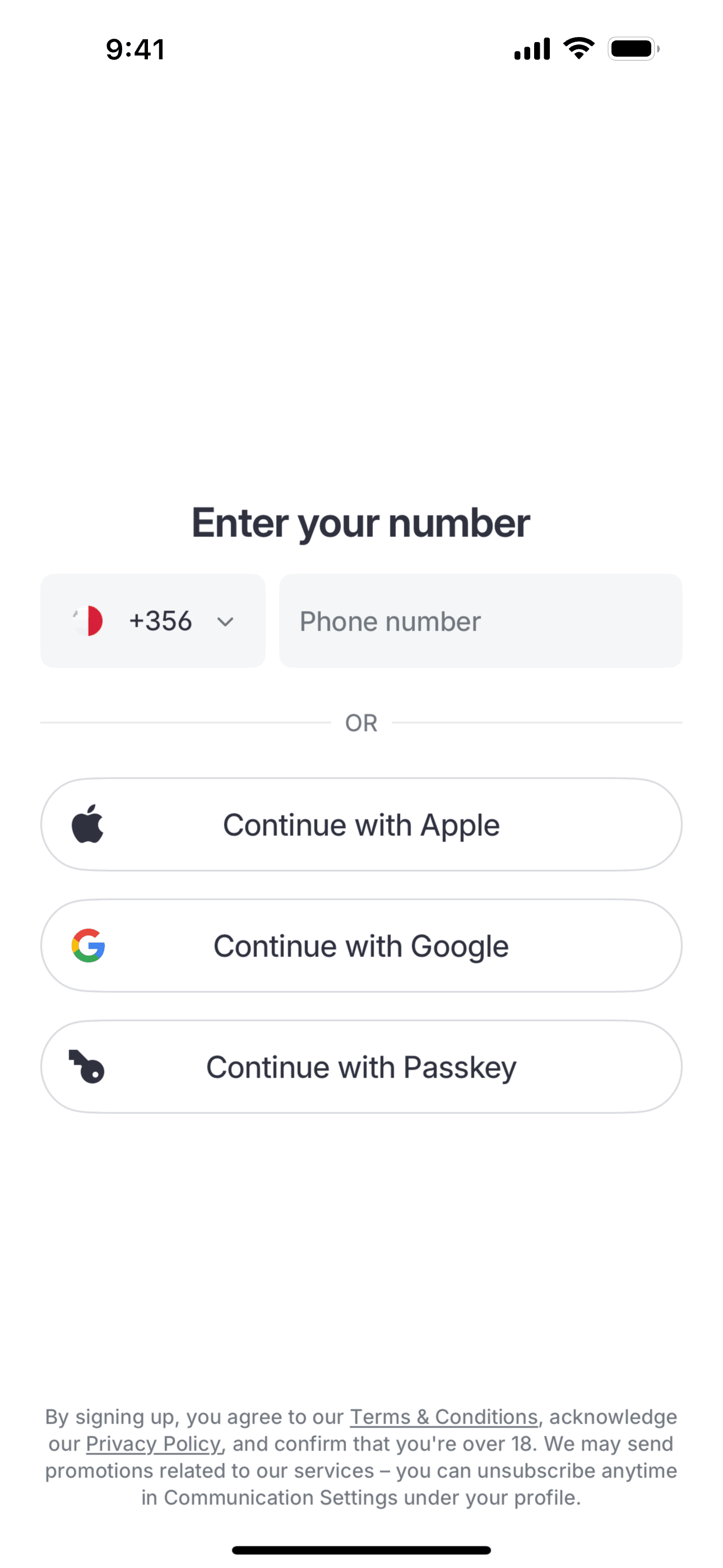
Bolt iOS Travel & Transportation interface screenshot 2
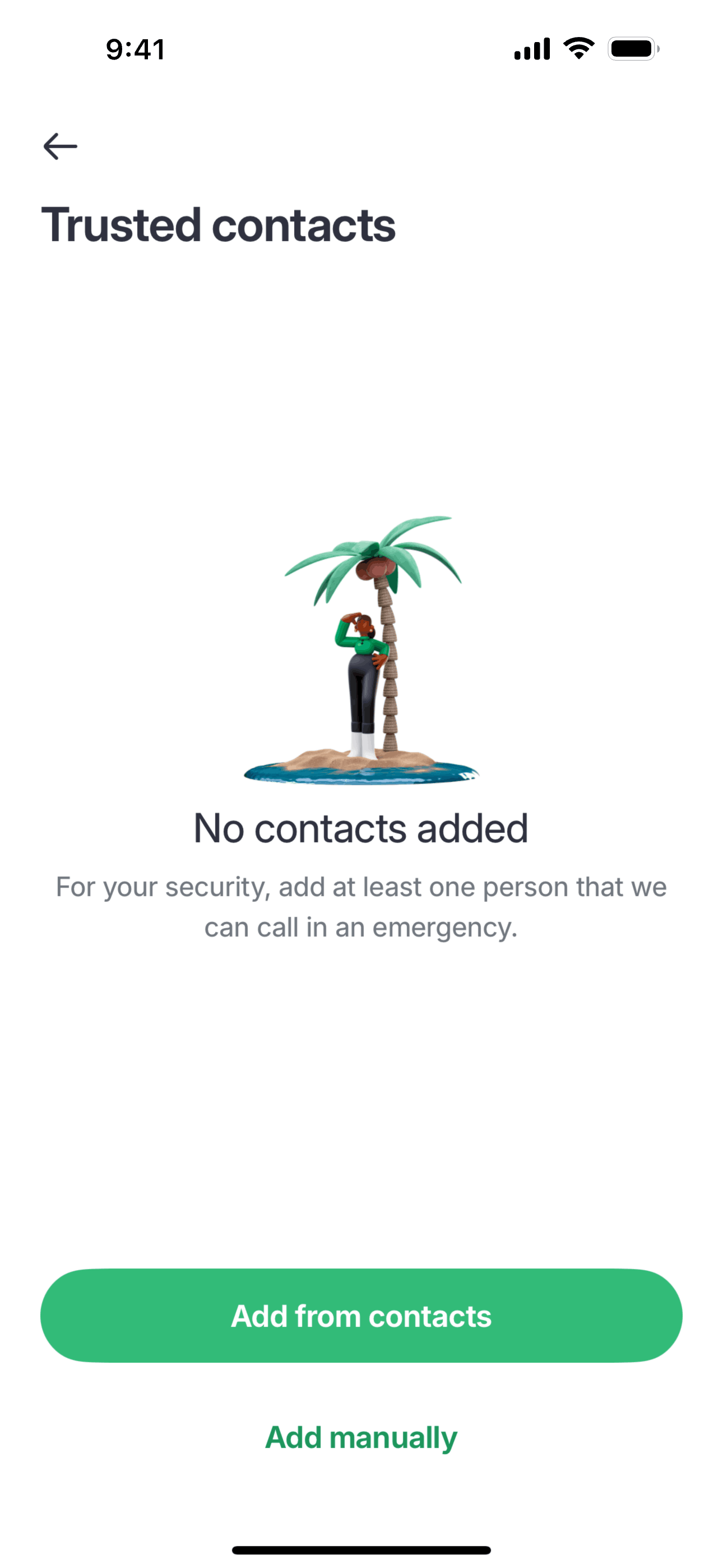
Bolt iOS Travel & Transportation interface screenshot 3
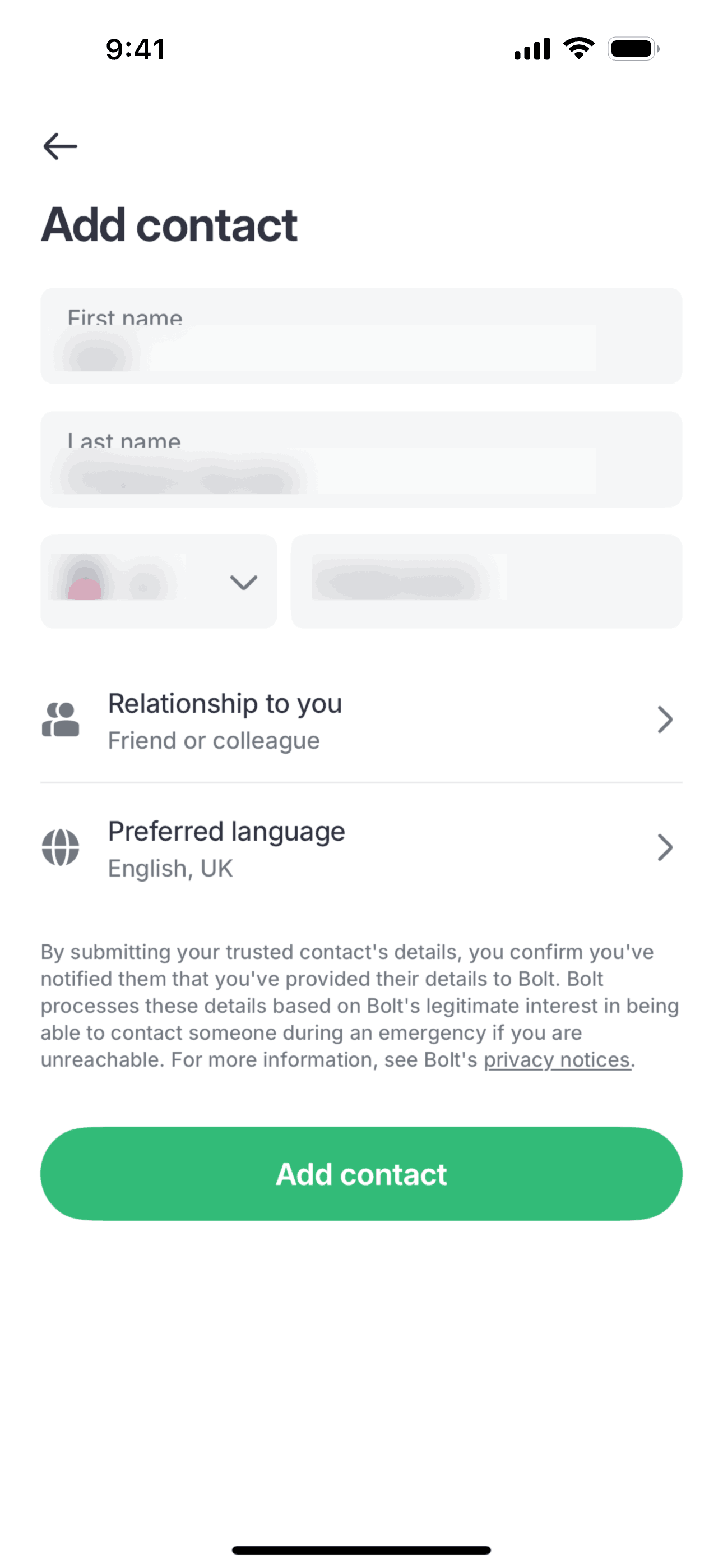
Bolt iOS Travel & Transportation interface screenshot 4
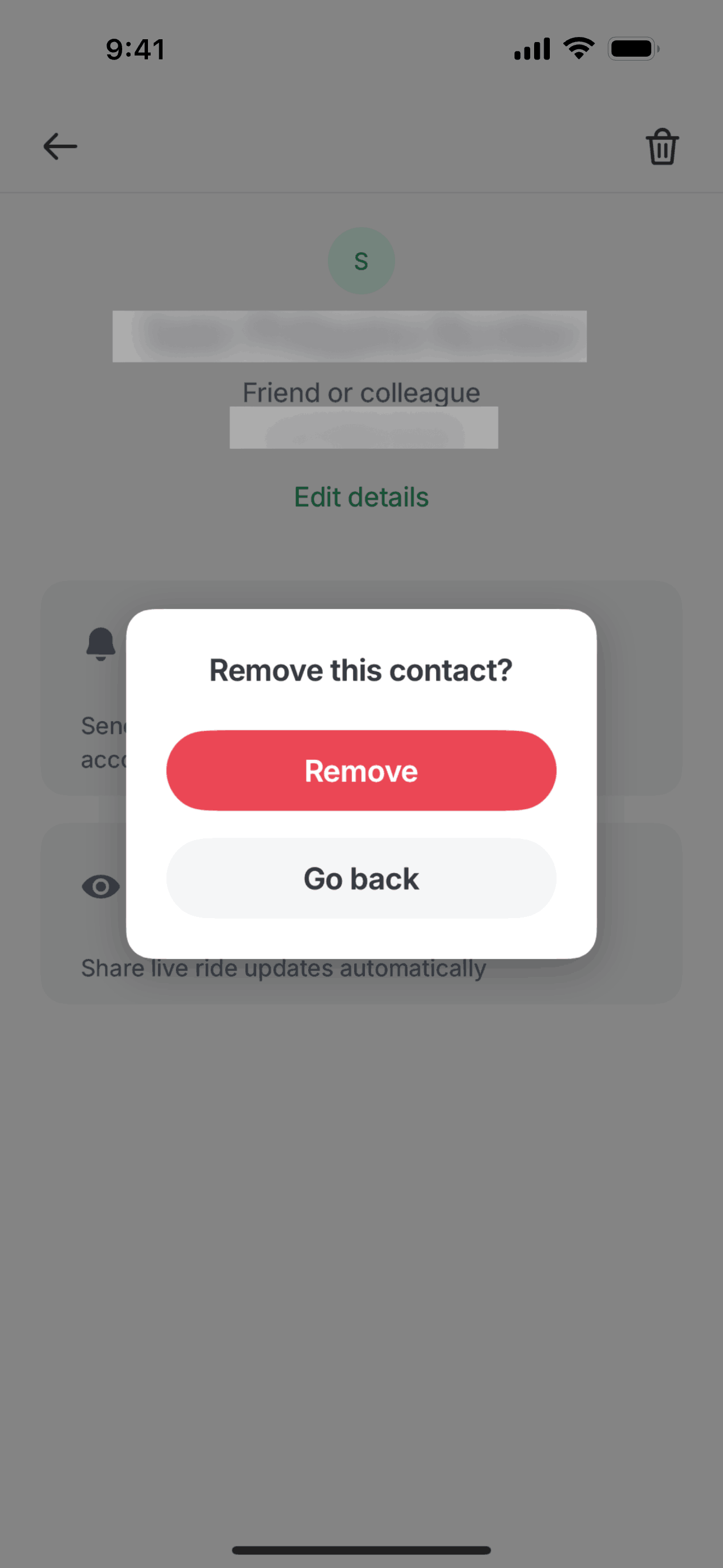
Bolt iOS Travel & Transportation interface screenshot 5
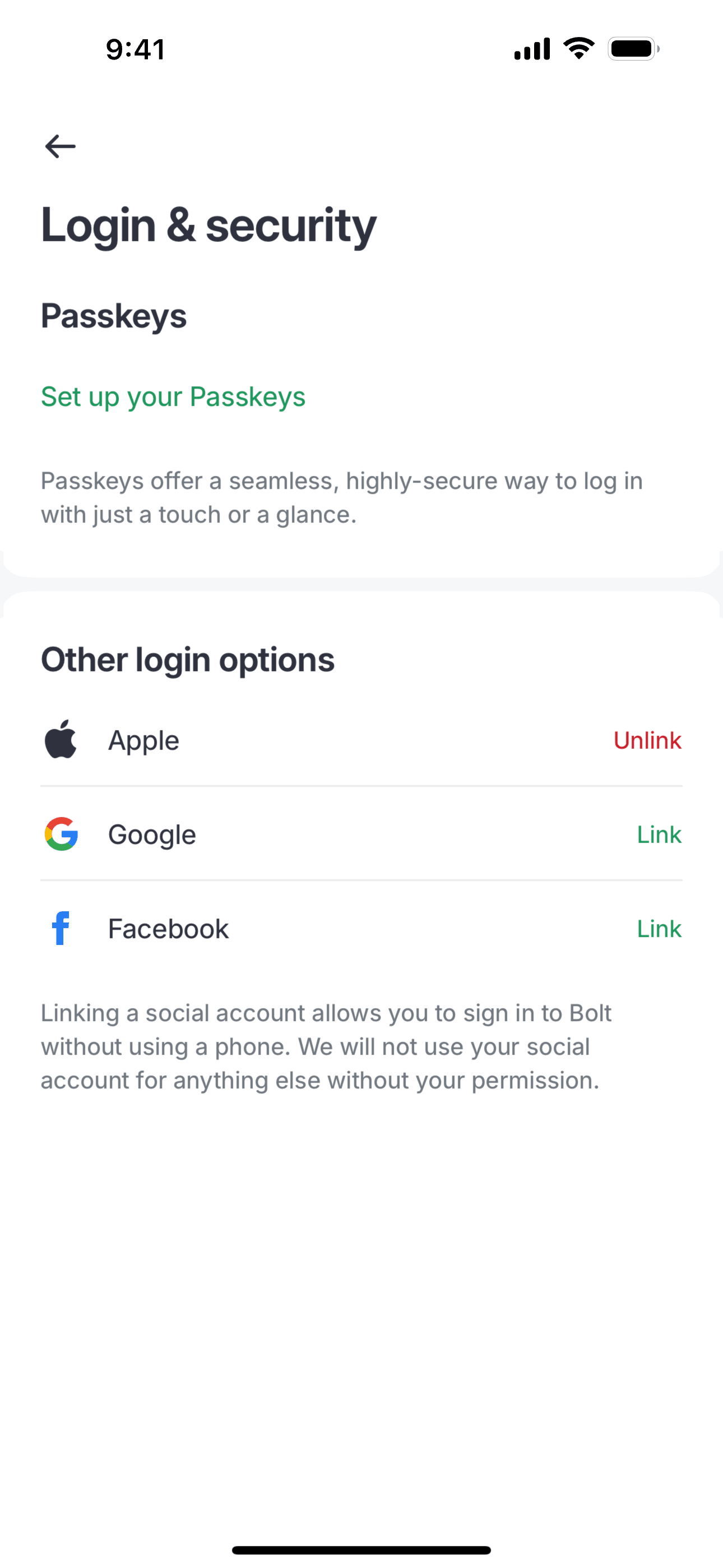
Bolt iOS Travel & Transportation interface screenshot 6
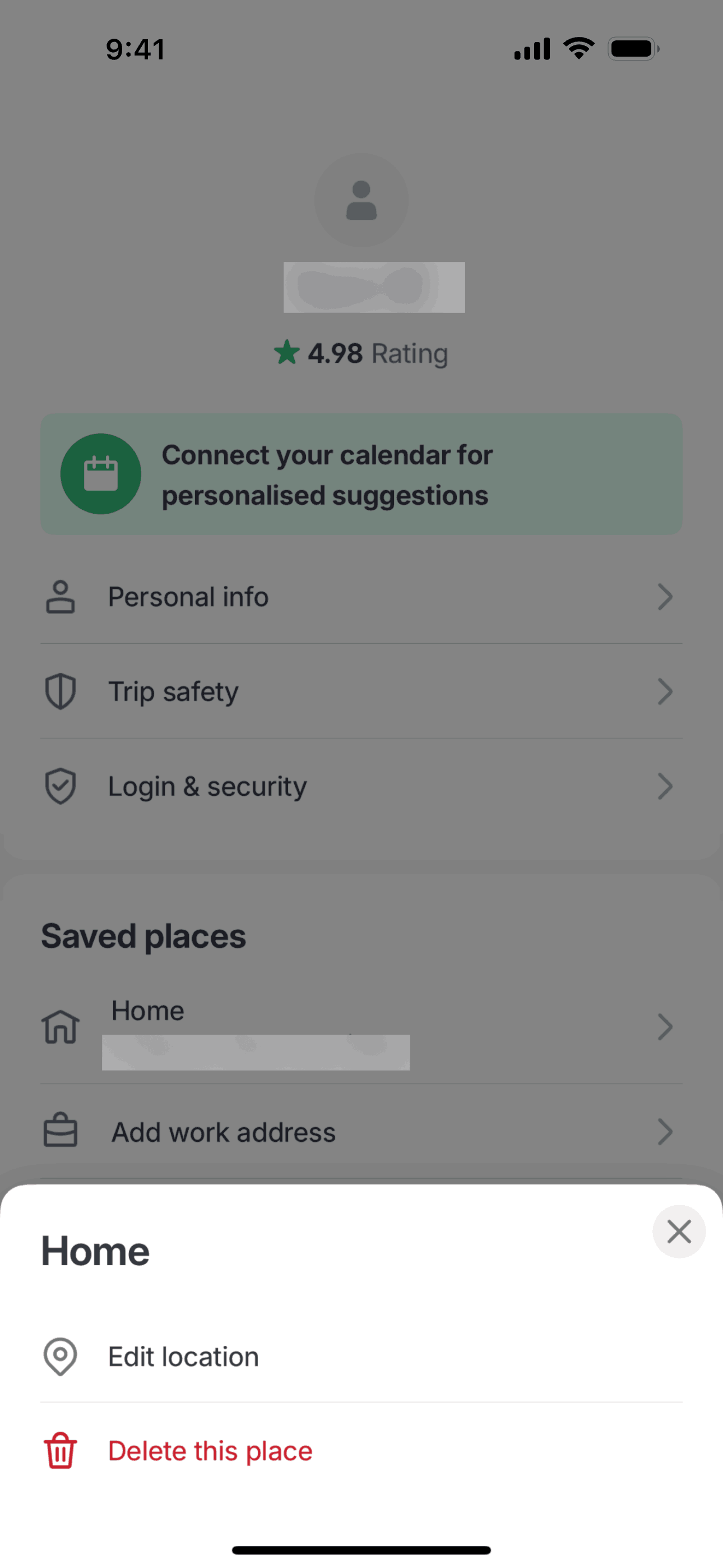
Bolt iOS Travel & Transportation interface screenshot 7
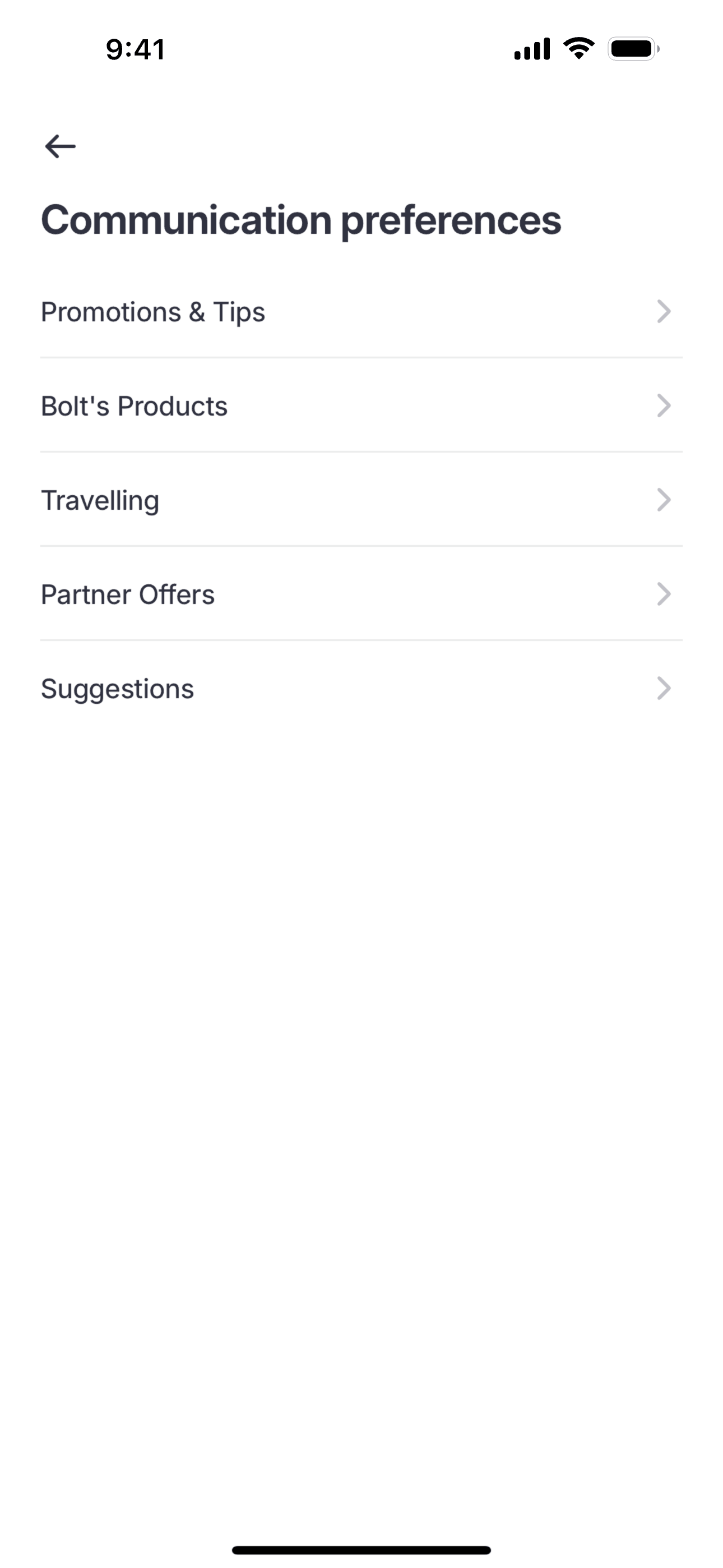
Bolt iOS Travel & Transportation interface screenshot 8
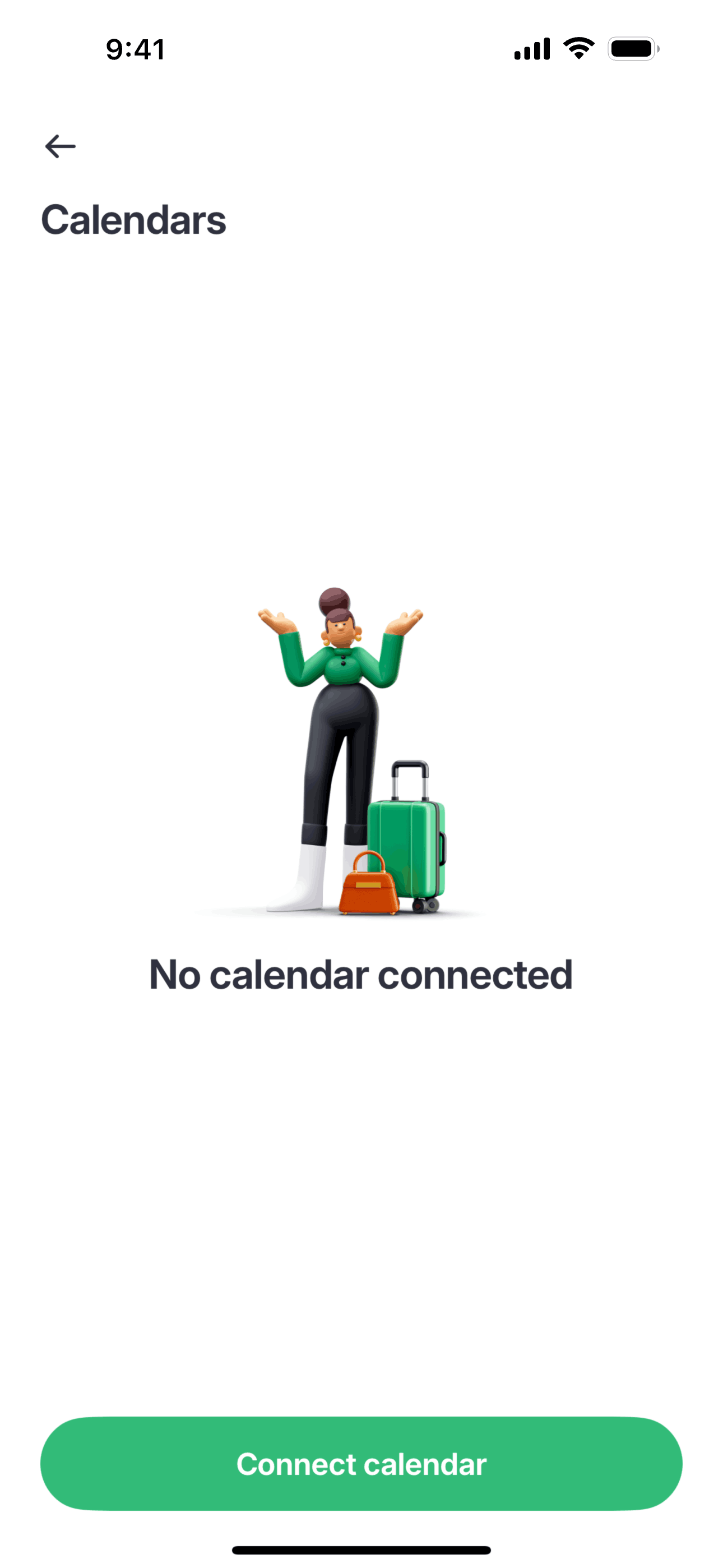
Bolt iOS Travel & Transportation interface screenshot 9
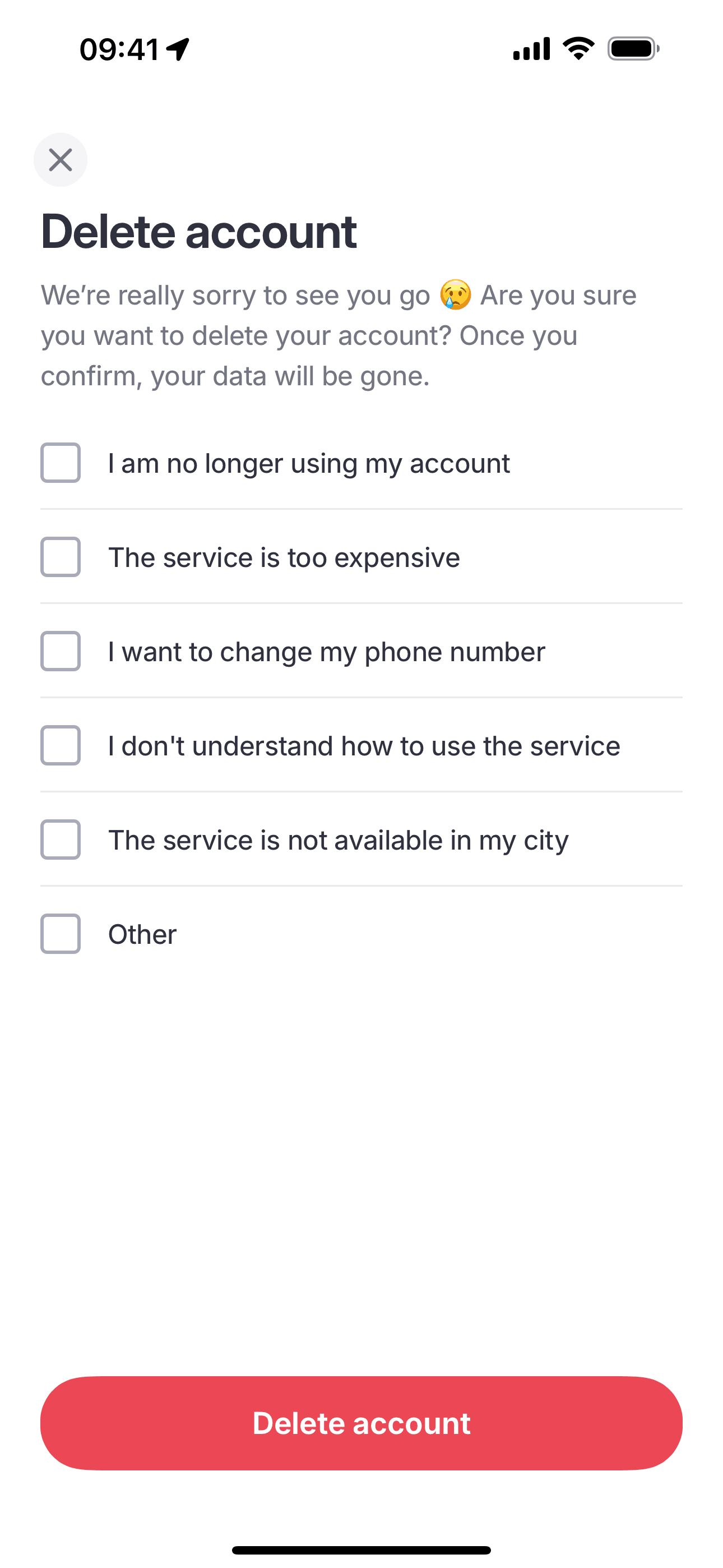
Bolt iOS Travel & Transportation interface screenshot 10
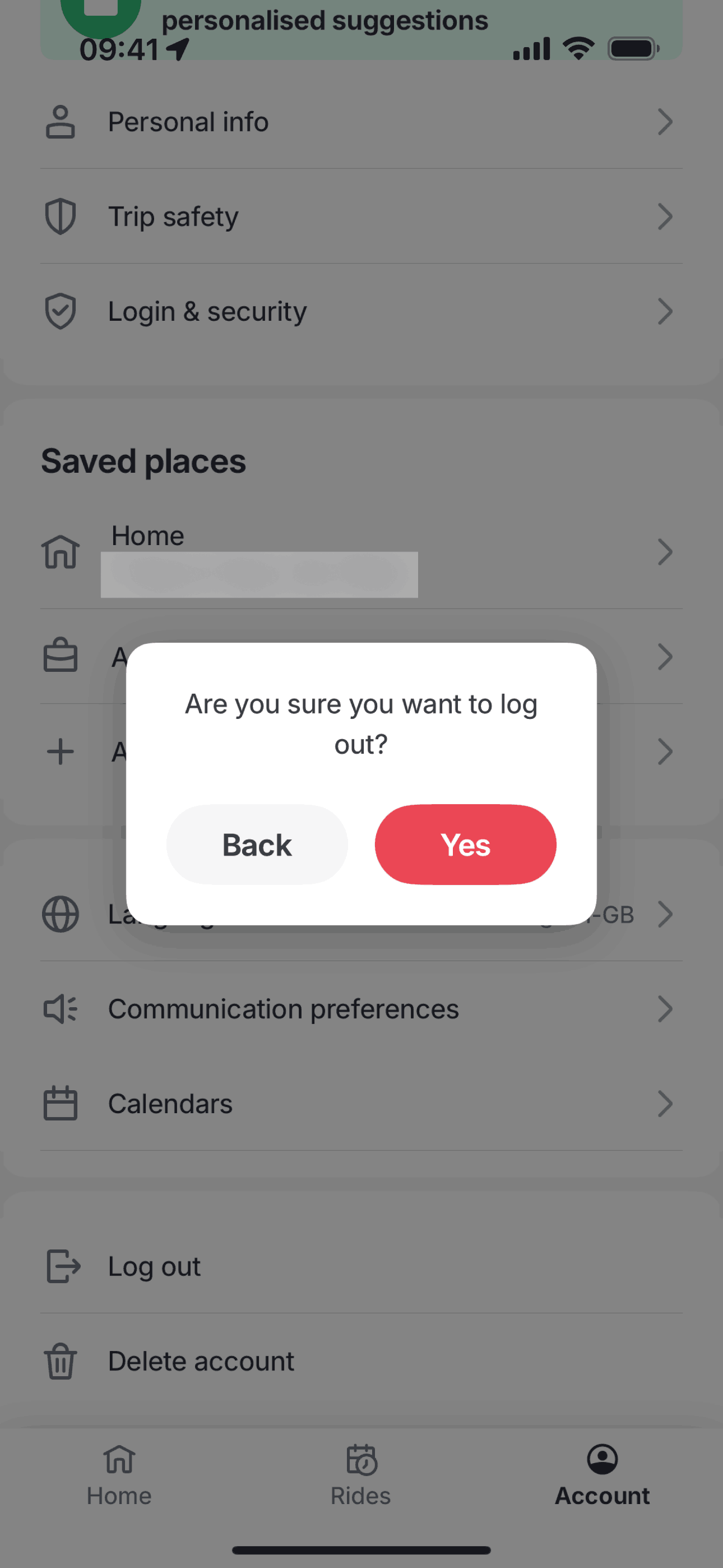
Bolt iOS Travel & Transportation interface screenshot 11
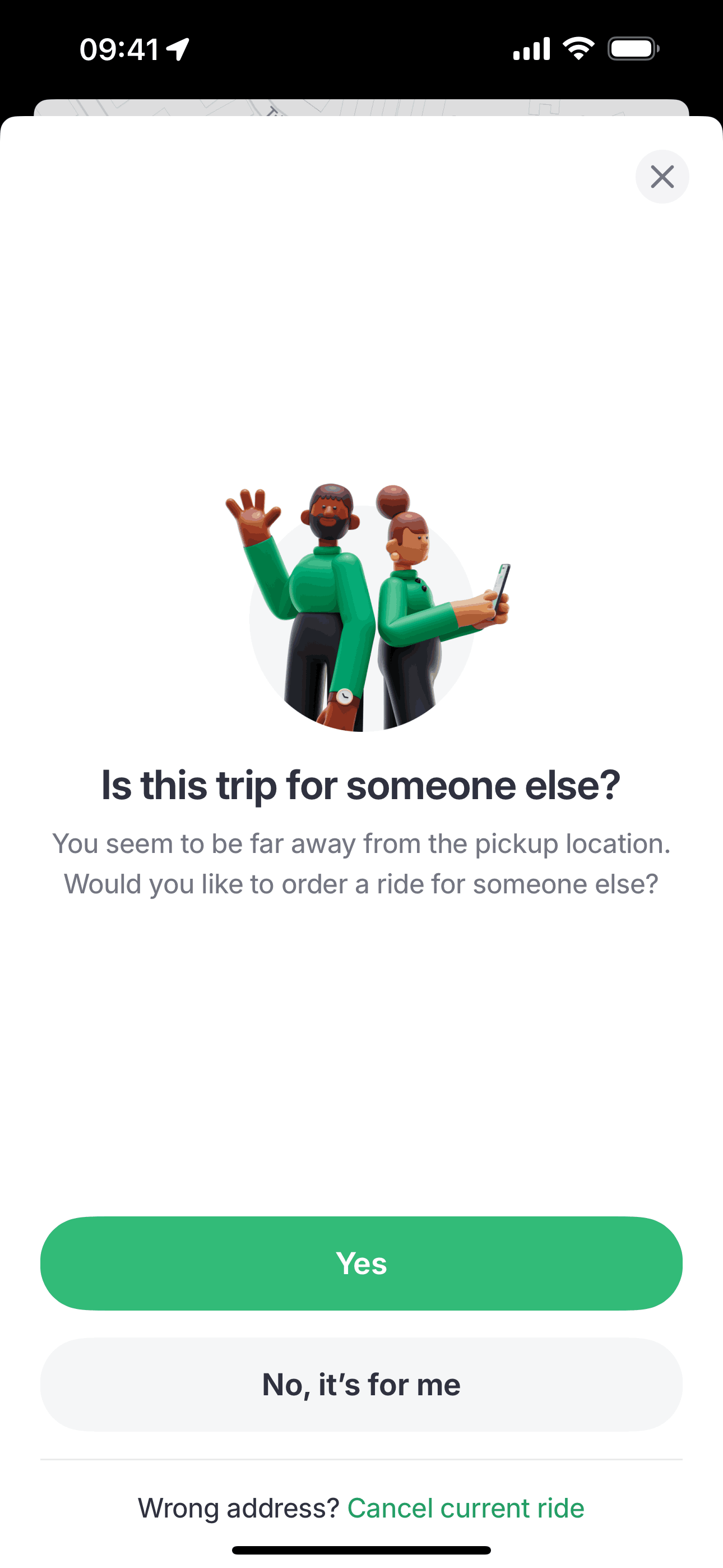
Bolt iOS Travel & Transportation interface screenshot 12
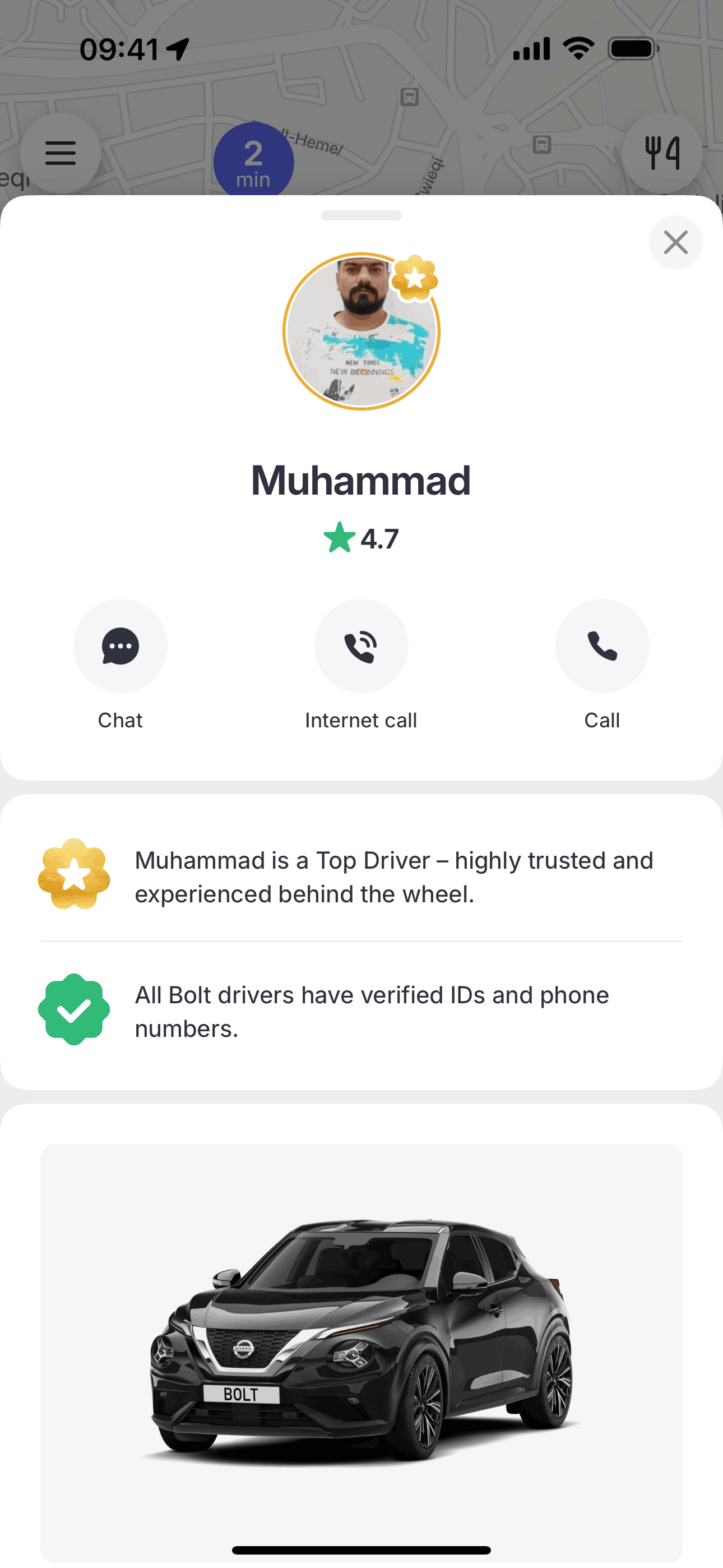
Bolt iOS Travel & Transportation interface screenshot 13
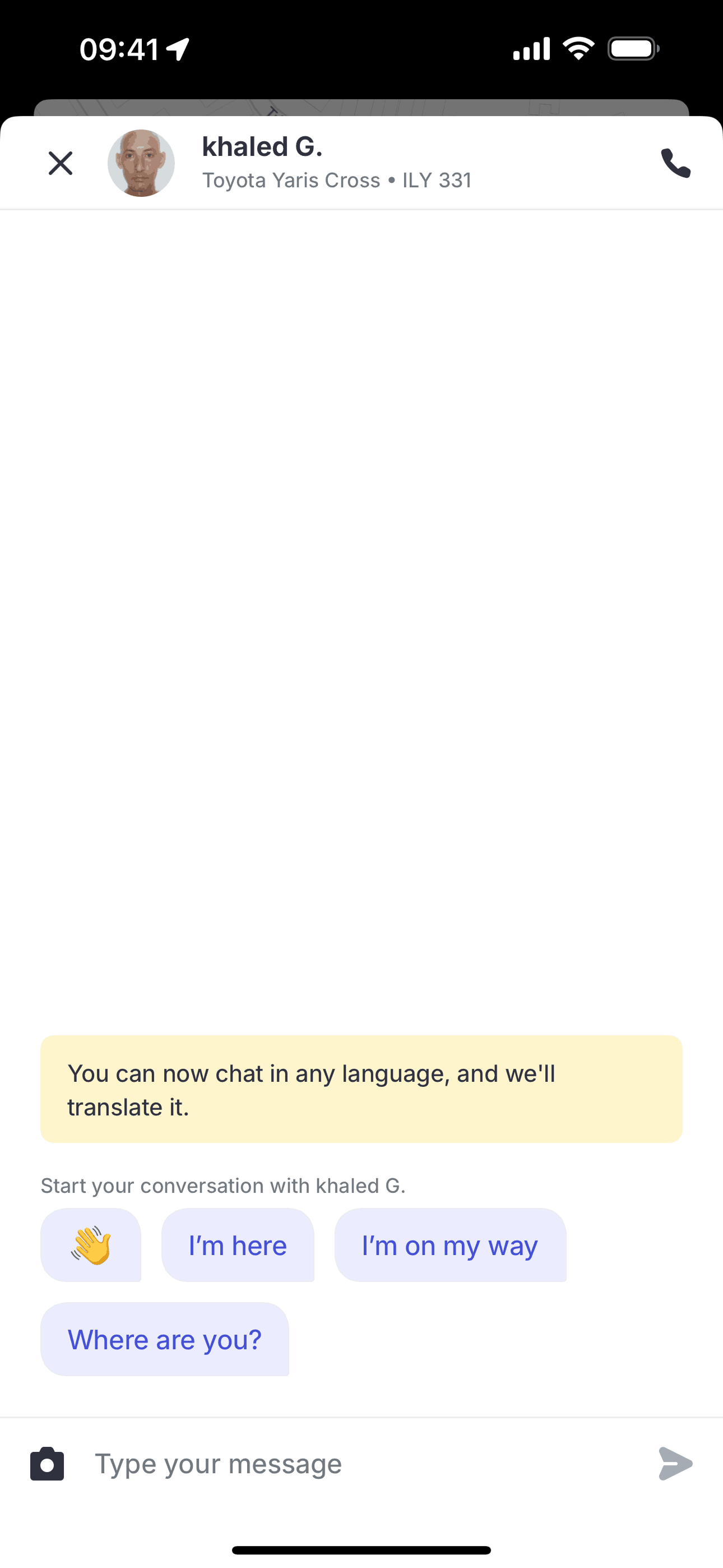
Bolt iOS Travel & Transportation interface screenshot 14
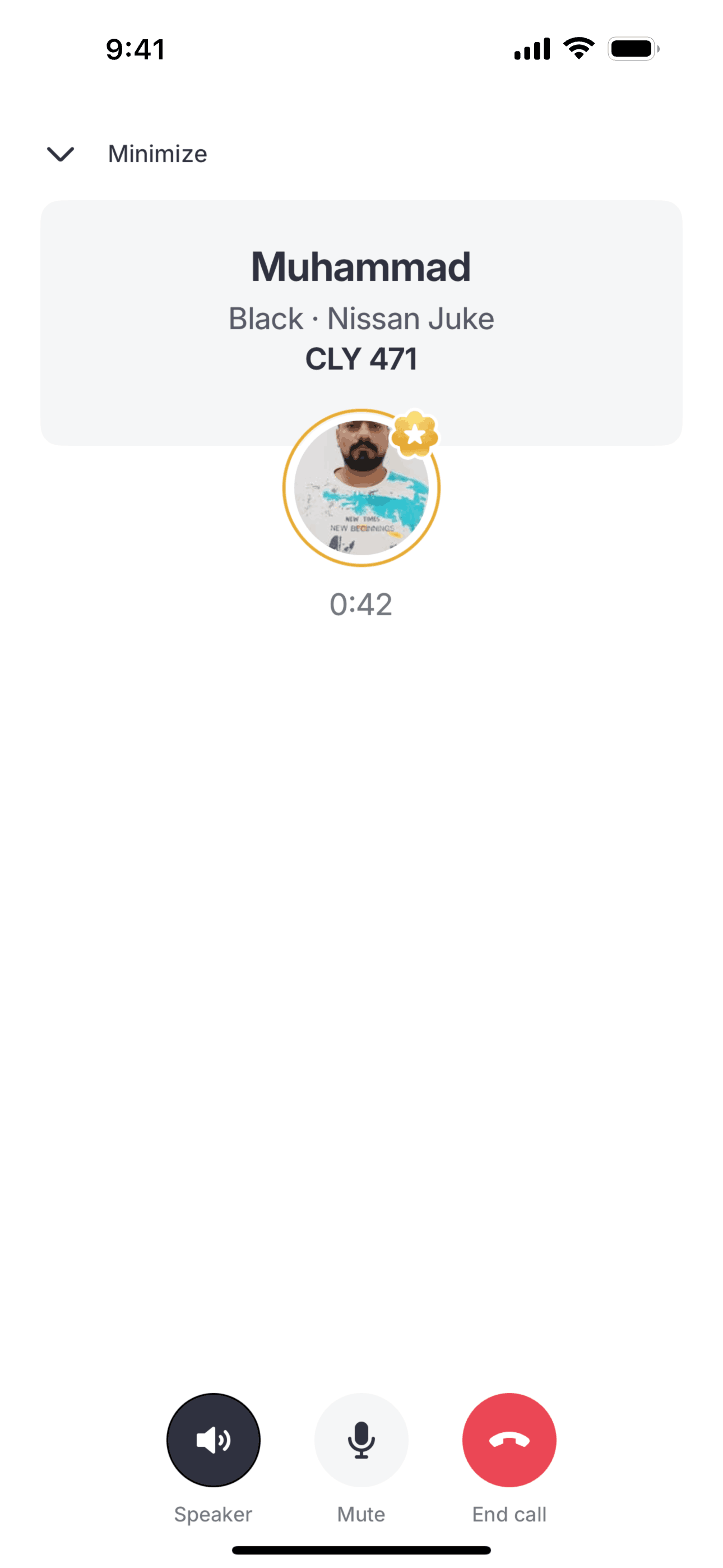
Bolt iOS Travel & Transportation interface screenshot 15
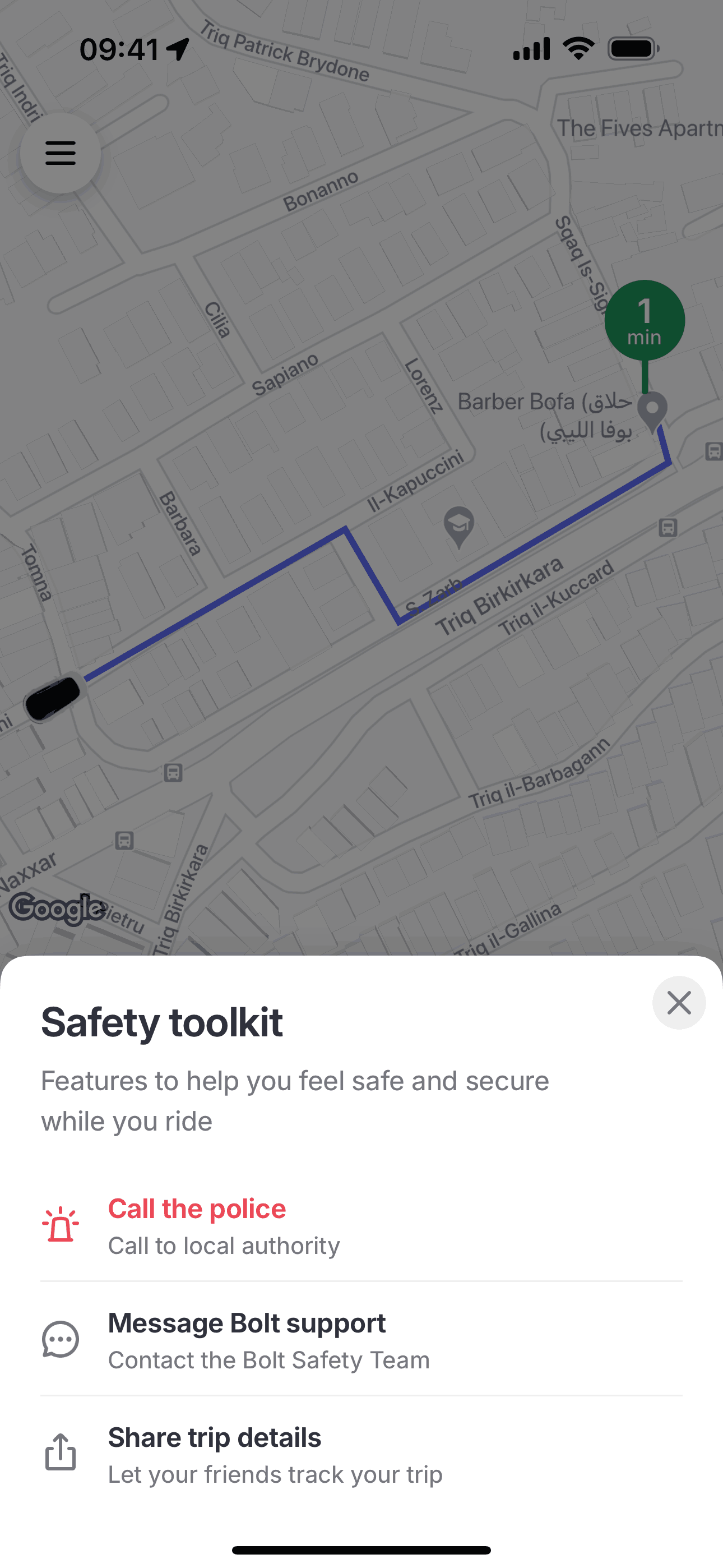
Bolt iOS Travel & Transportation interface screenshot 16

Bolt iOS Travel & Transportation interface screenshot 17
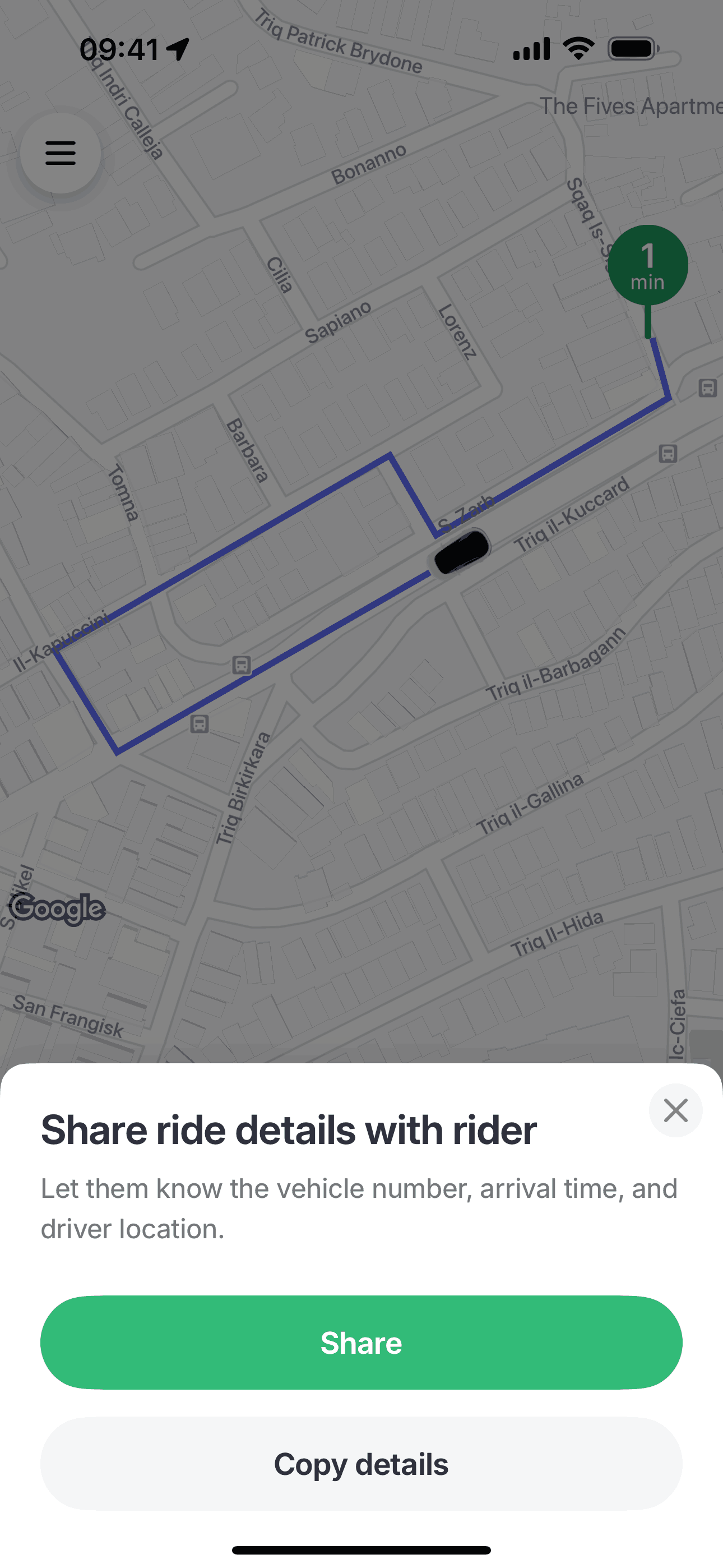
Bolt iOS Travel & Transportation interface screenshot 18
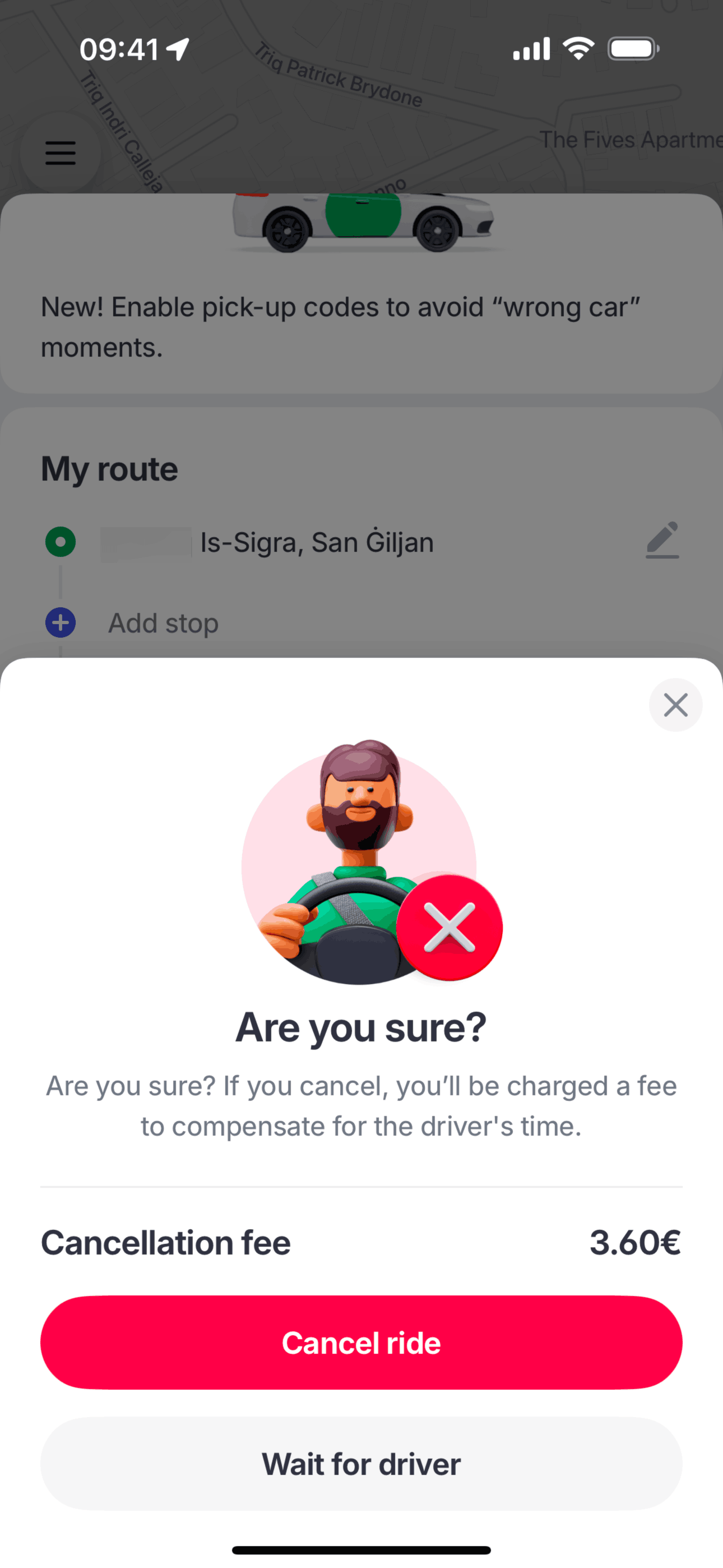
Bolt iOS Travel & Transportation interface screenshot 19
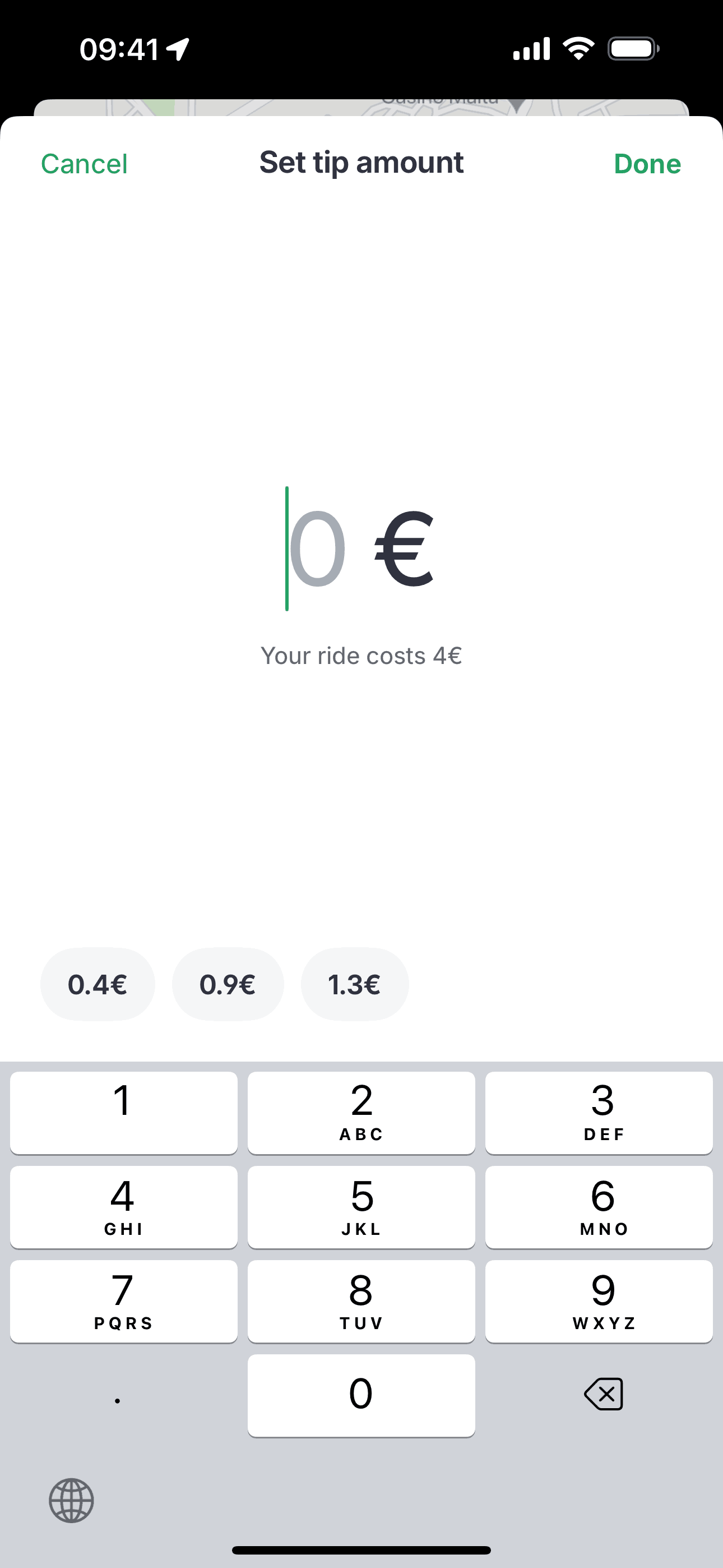
Bolt iOS Travel & Transportation interface screenshot 20
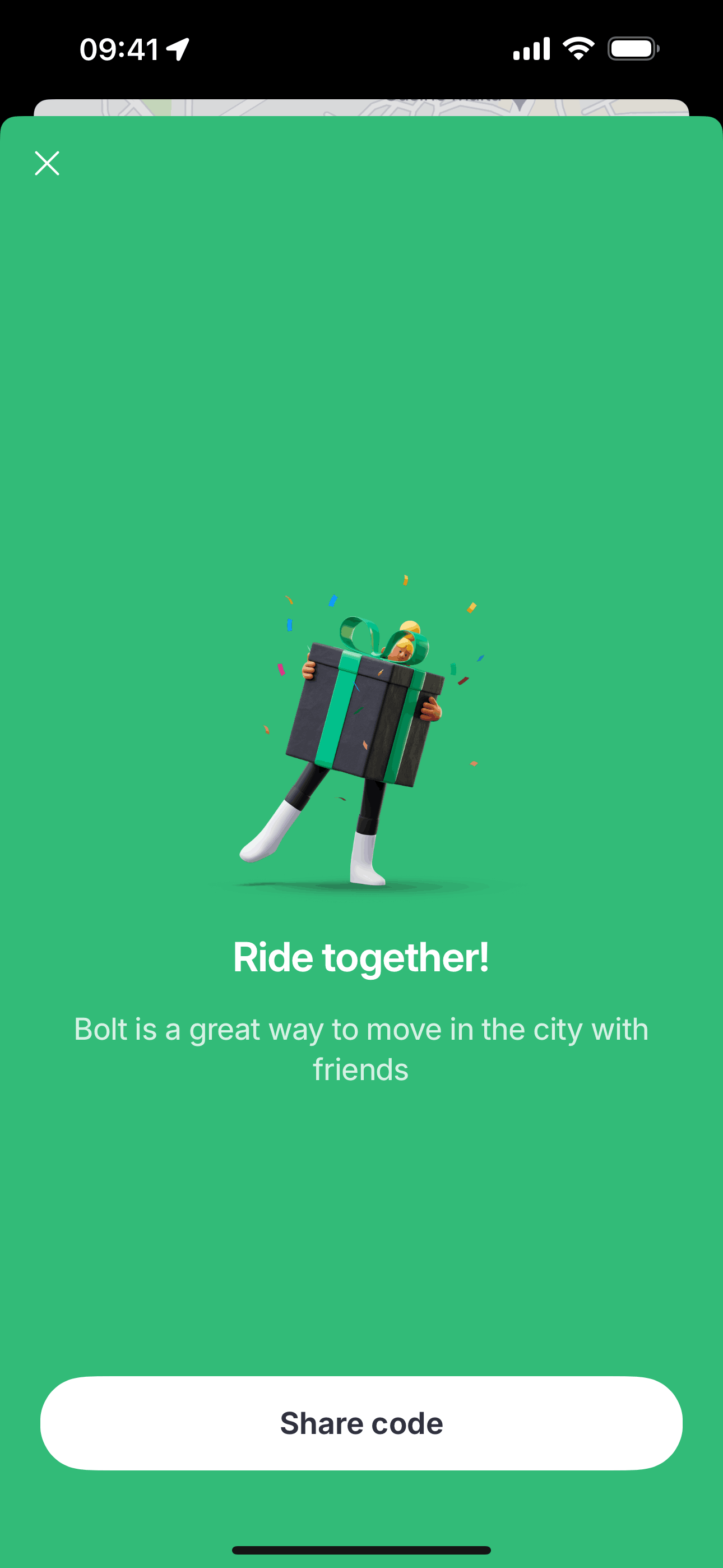
Bolt iOS Travel & Transportation interface screenshot 21
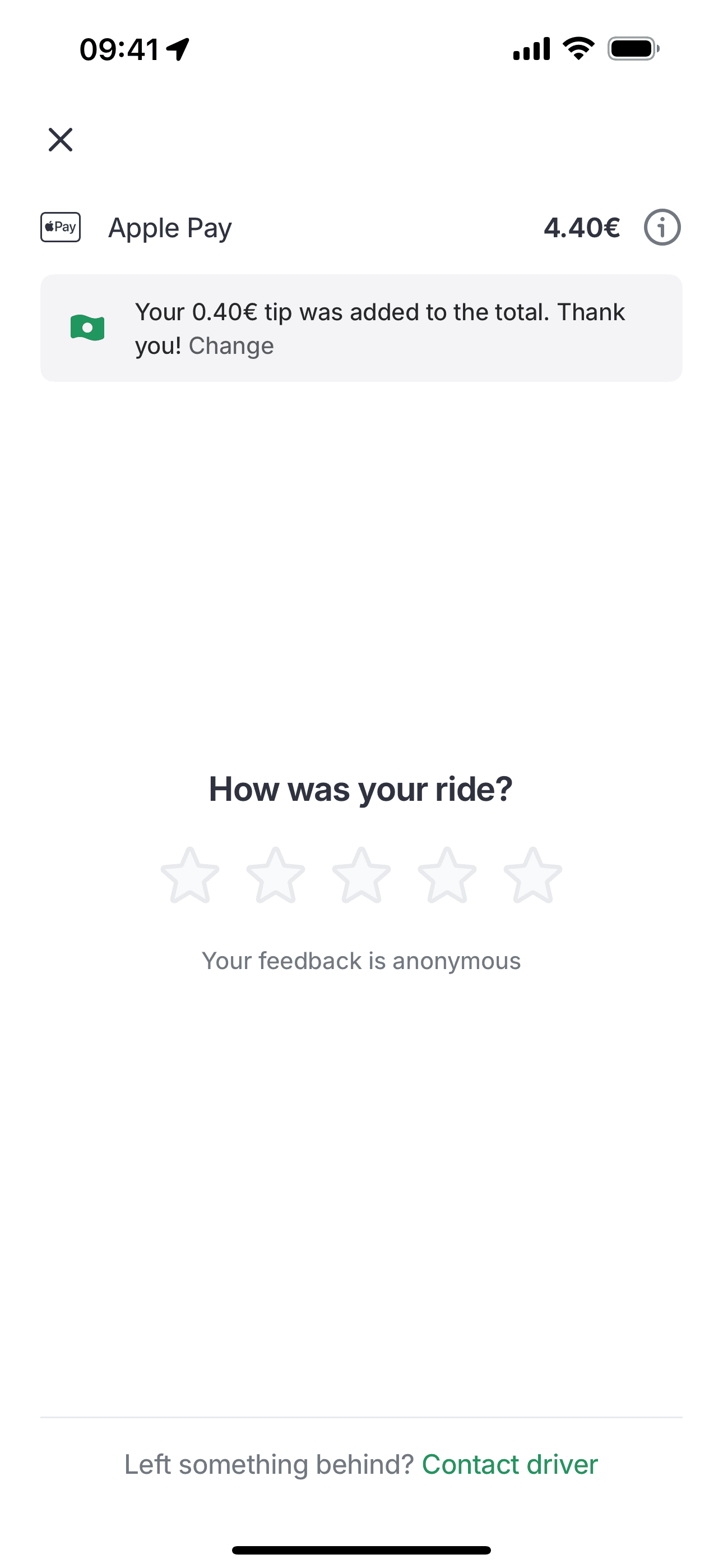
Bolt iOS Travel & Transportation interface screenshot 22
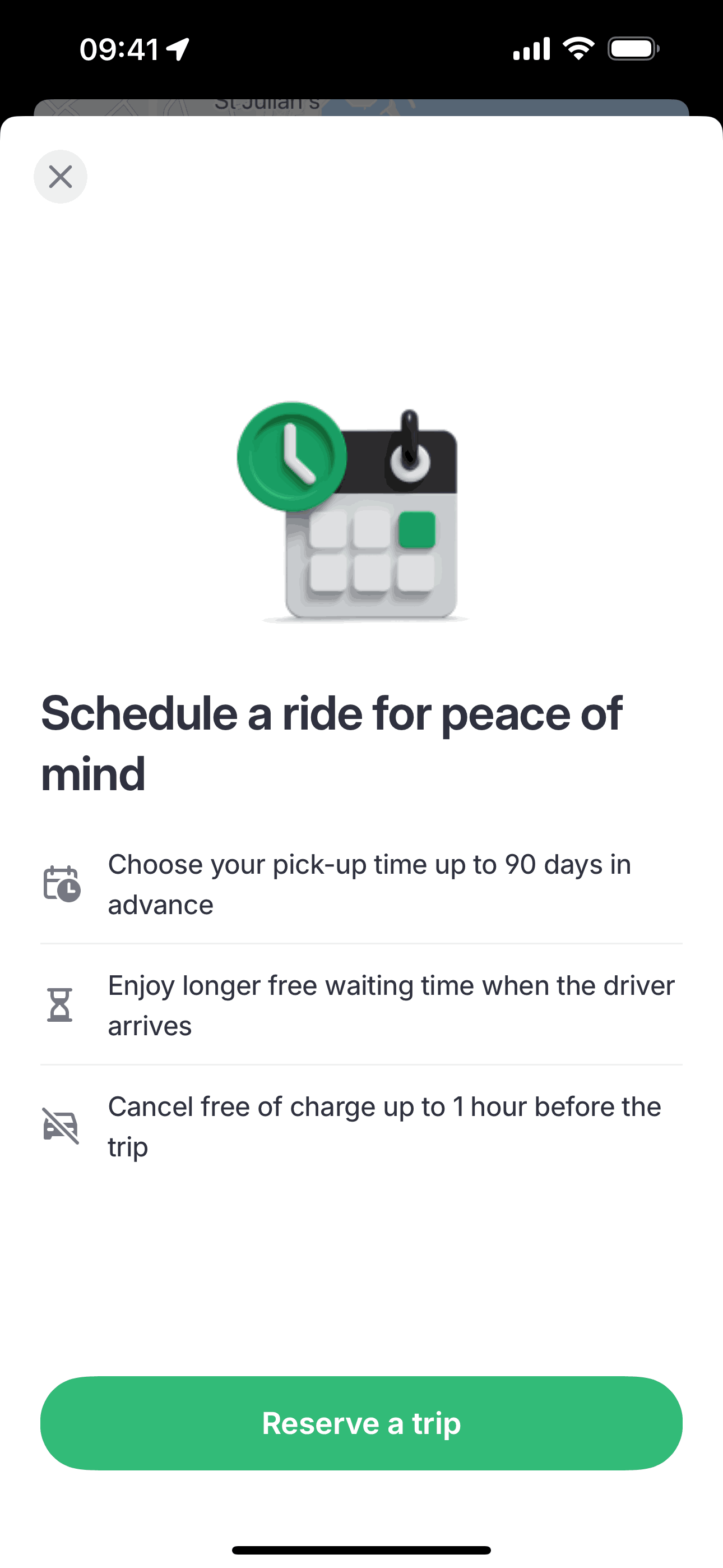
Bolt iOS Travel & Transportation interface screenshot 23
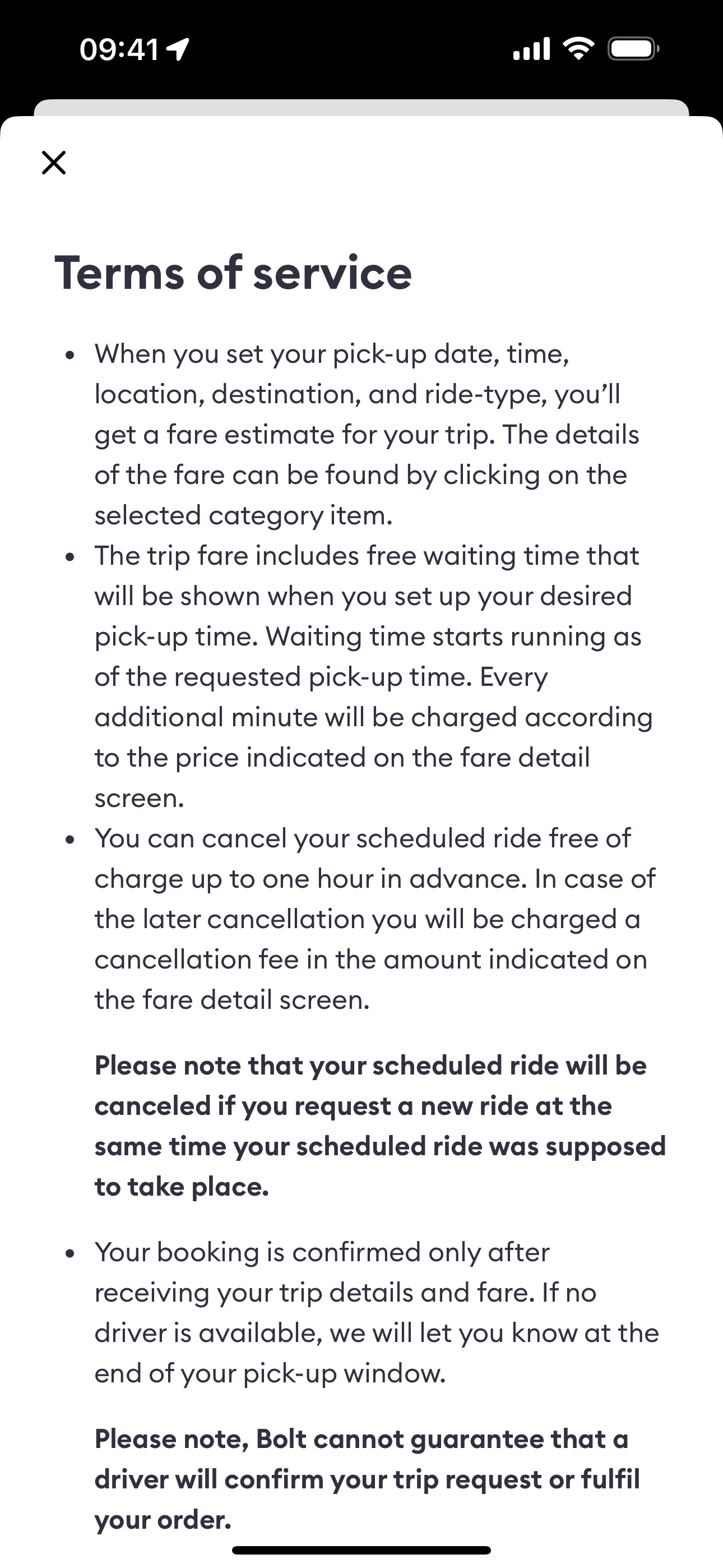
Bolt iOS Travel & Transportation interface screenshot 24
Gummble currently indexes 292 Bolt iOS screens across 2 captured versions (latest capture Mar 23, 2025: 126 screens) and 6 captured UX flows including onboarding and login. Ride-hailing made easy. Categorized under Travel & Transportation. Step through each captured Bolt flow screen by screen, or study individual screens for navigation, layout, and microcopy patterns.
Editorial teardown
Bolt is a ride hailing platform competing with Uber across Europe, Africa, and beyond. The iOS app lets users book rides, rent scooters, and order food delivery — all from a single interface. Bolt positions itself as the affordable, transparent alternative to Uber with lower commissions for drivers (translating to lower prices for riders) and upfront pricing. The app focuses on efficiency: getting users from point A to point B with minimal friction and maximum price clarity.
Read the full Bolt UX teardownGummble currently indexes 292 Bolt iOS screens across 2 captured versions (latest capture Mar 23, 2025: 126 screens) and 6 captured UX flows including onboarding and login. Browse the gallery to study Bolt's interface patterns and design decisions.
Bolt is categorized under Travel & Transportation. Gummble holds 6 captured UX flows including onboarding and login for Bolt iOS. Open the Flows tab to step through each captured sequence screen by screen.
Yes. Gummble Browse, Pro, and Team users can download Bolt iOS screenshots for design reference. Free users can browse a limited selection and view design analysis.