



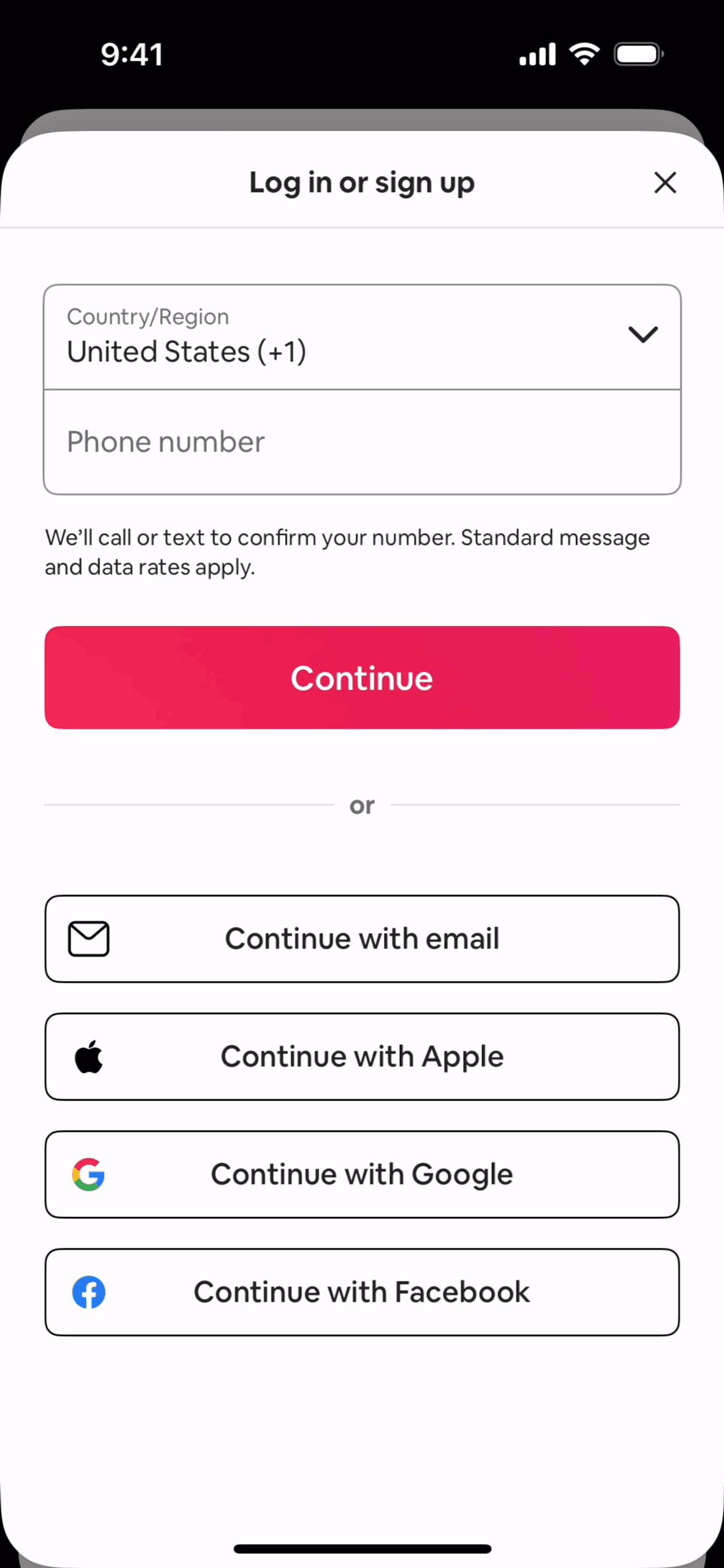
Airbnb iOS Real Estate interface screenshot 1

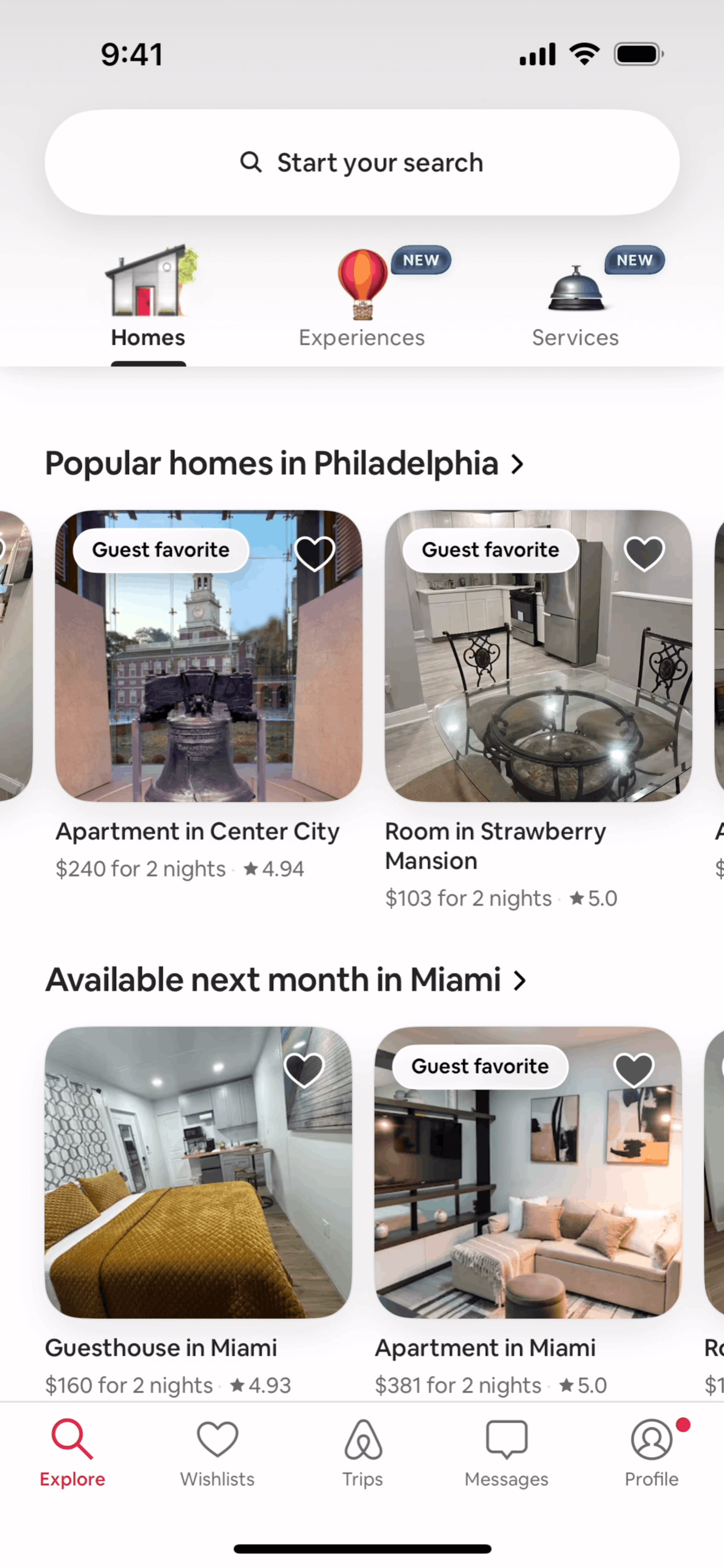
Airbnb iOS Real Estate interface screenshot 2

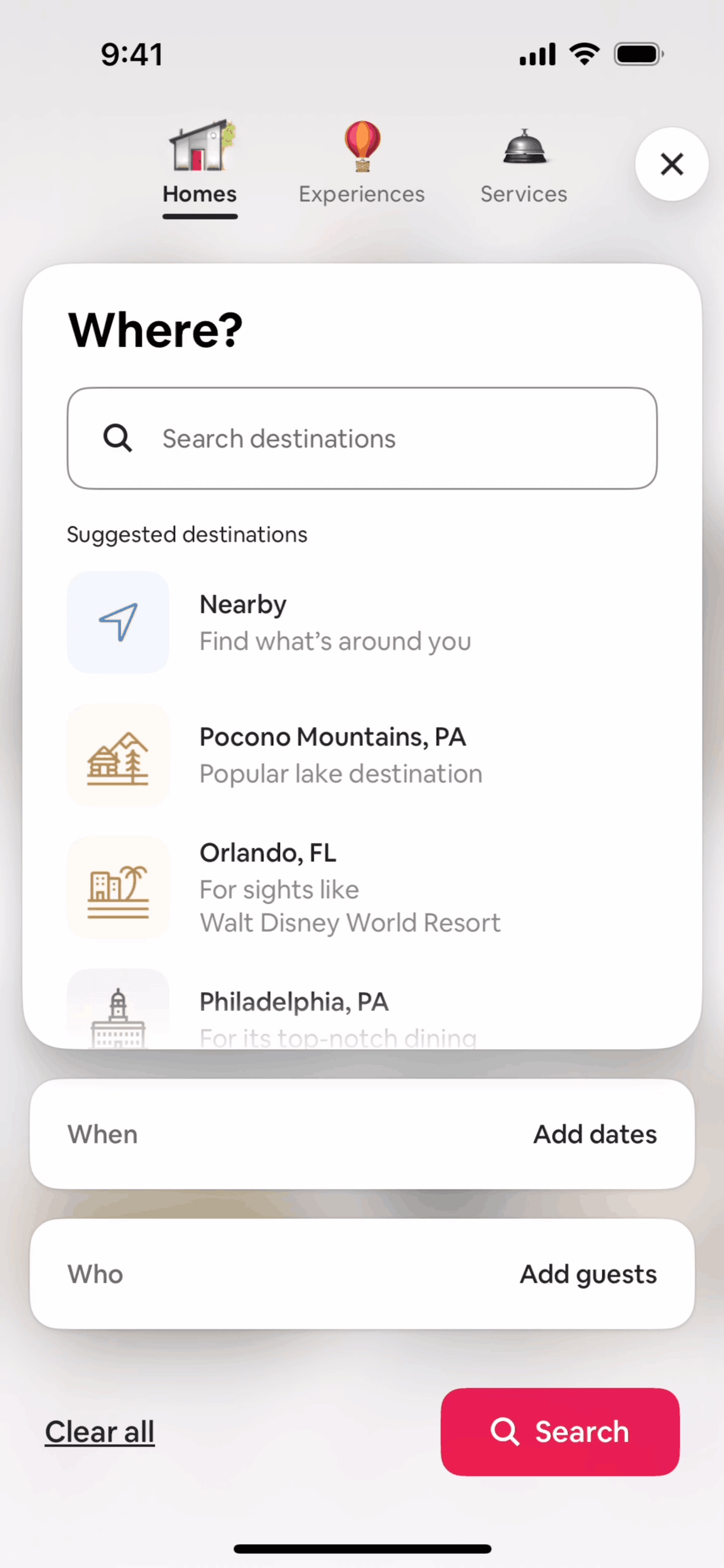
Airbnb iOS Real Estate interface screenshot 3

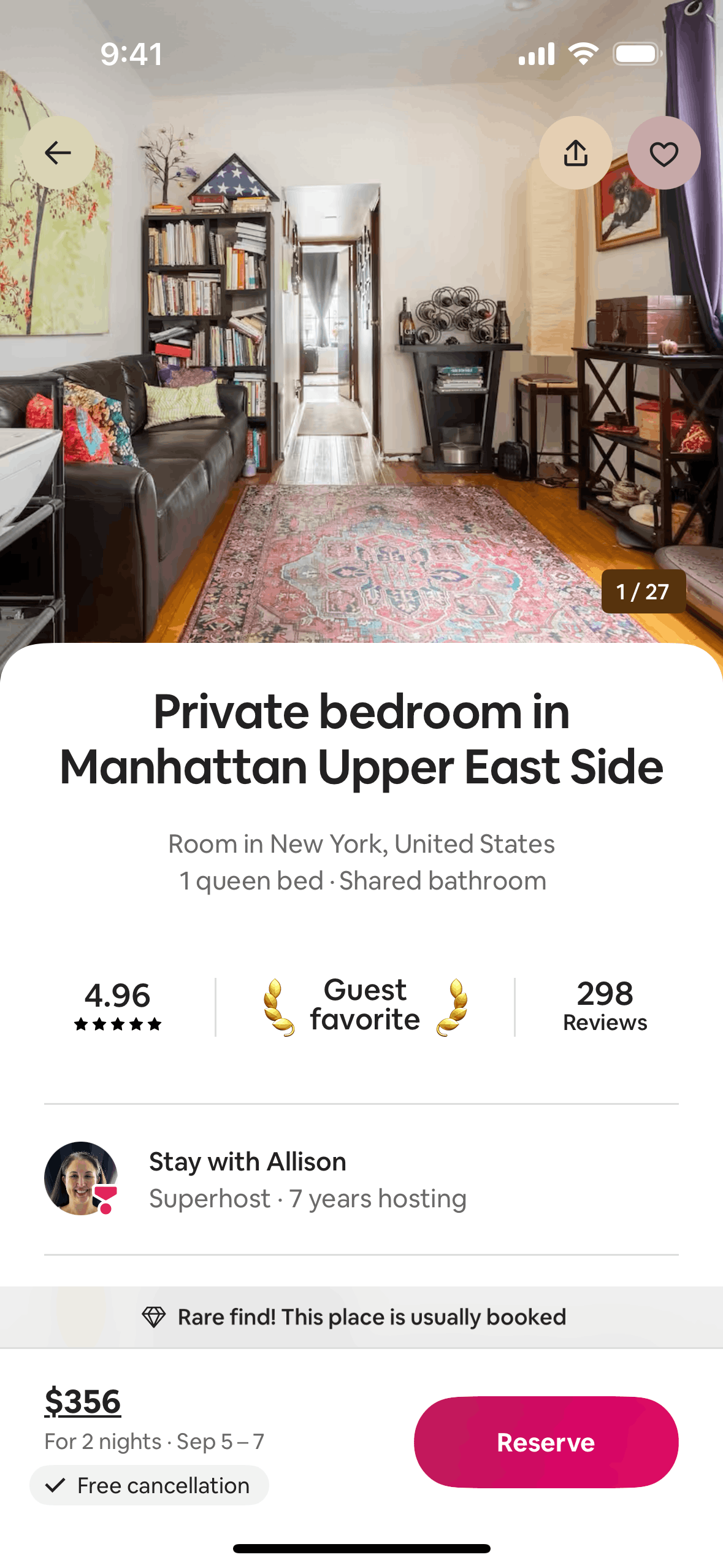
Airbnb iOS Real Estate interface screenshot 4

Airbnb iOS Real Estate interface screenshot 5
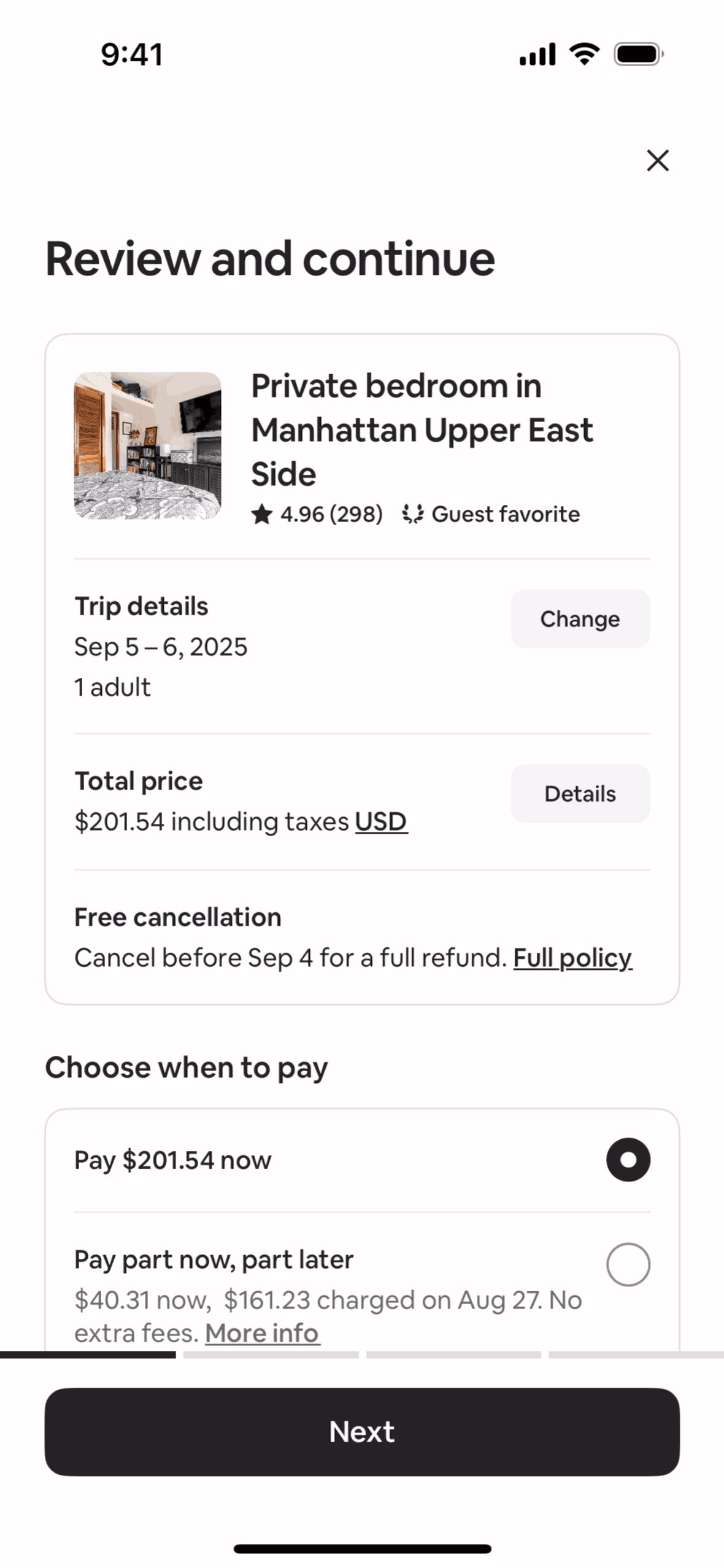

Airbnb iOS Real Estate interface screenshot 6
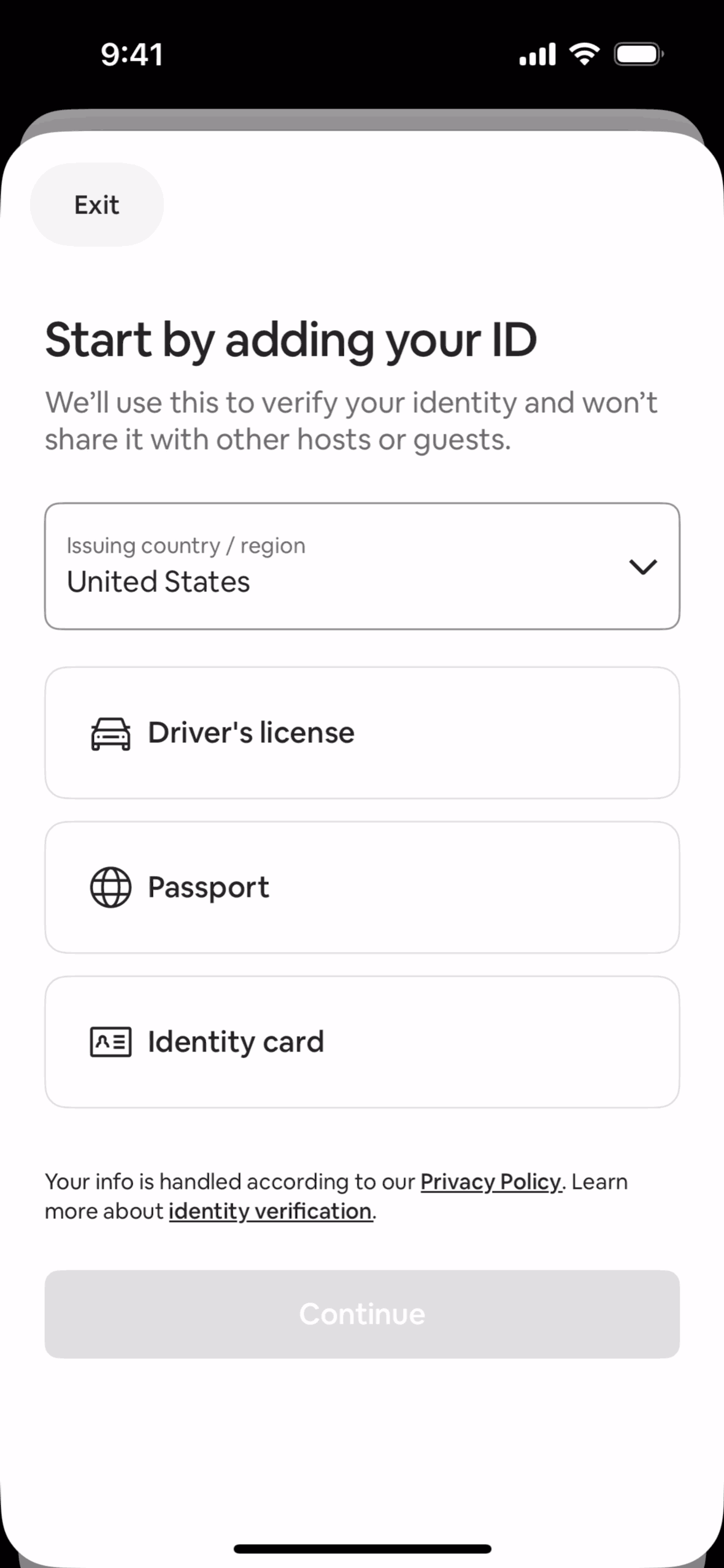

Airbnb iOS Real Estate interface screenshot 7
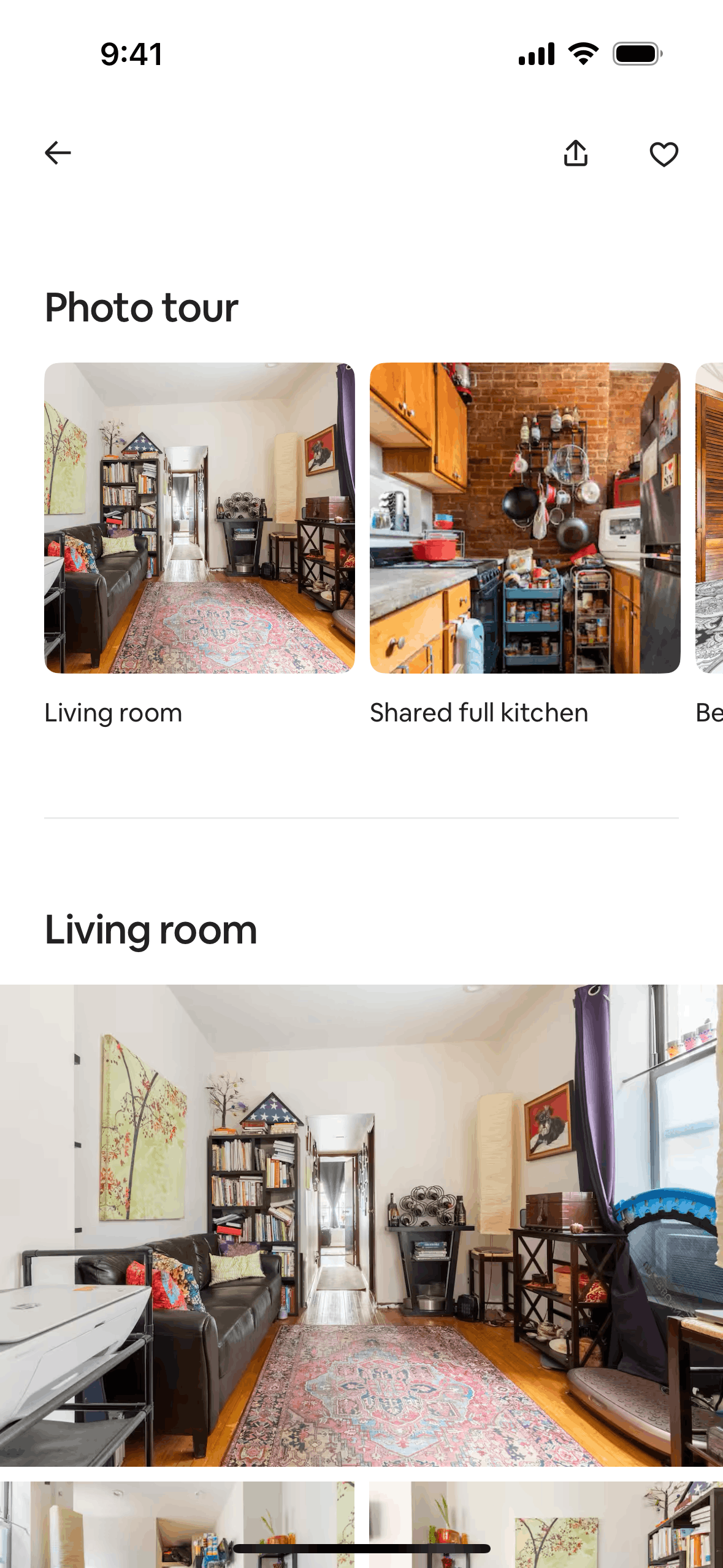

Airbnb iOS Real Estate interface screenshot 8
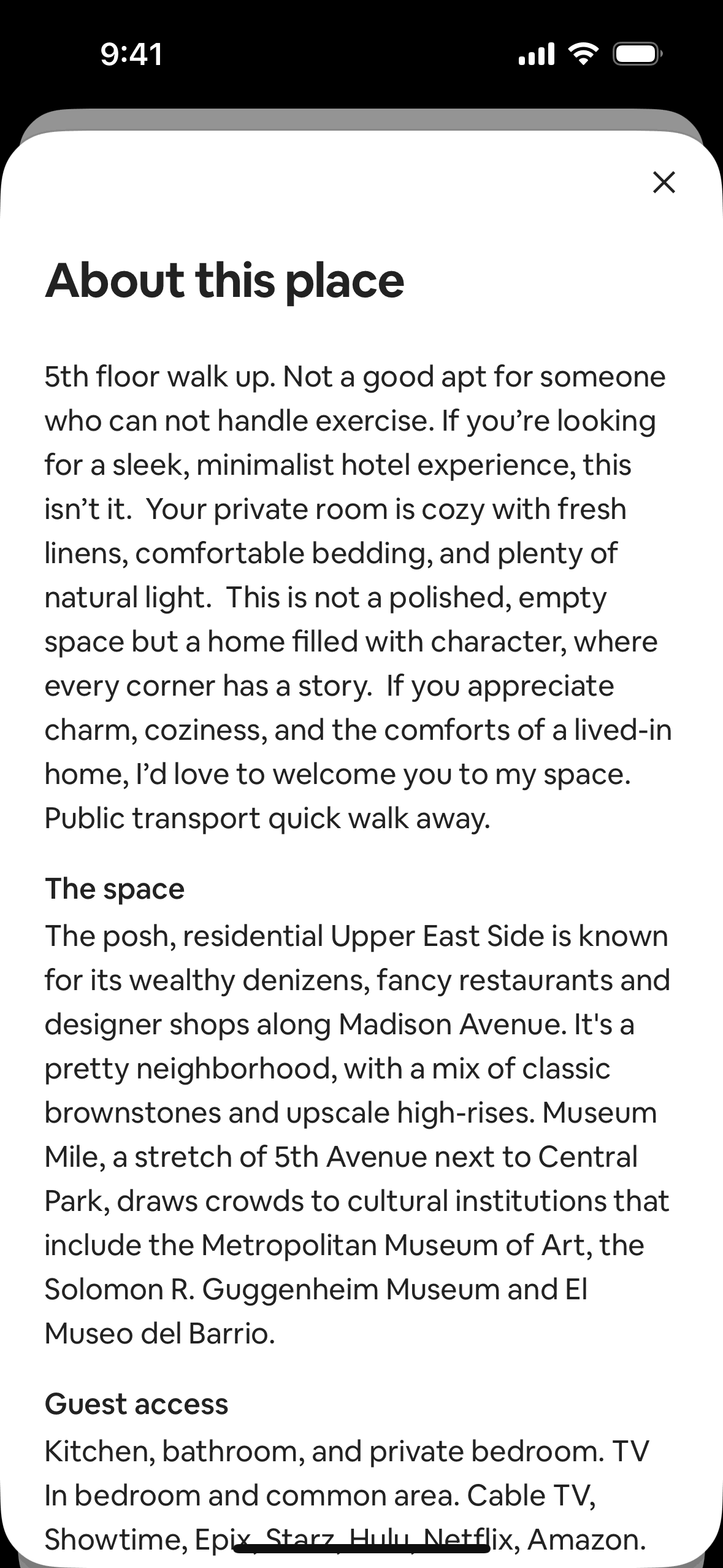

Airbnb iOS Real Estate interface screenshot 9
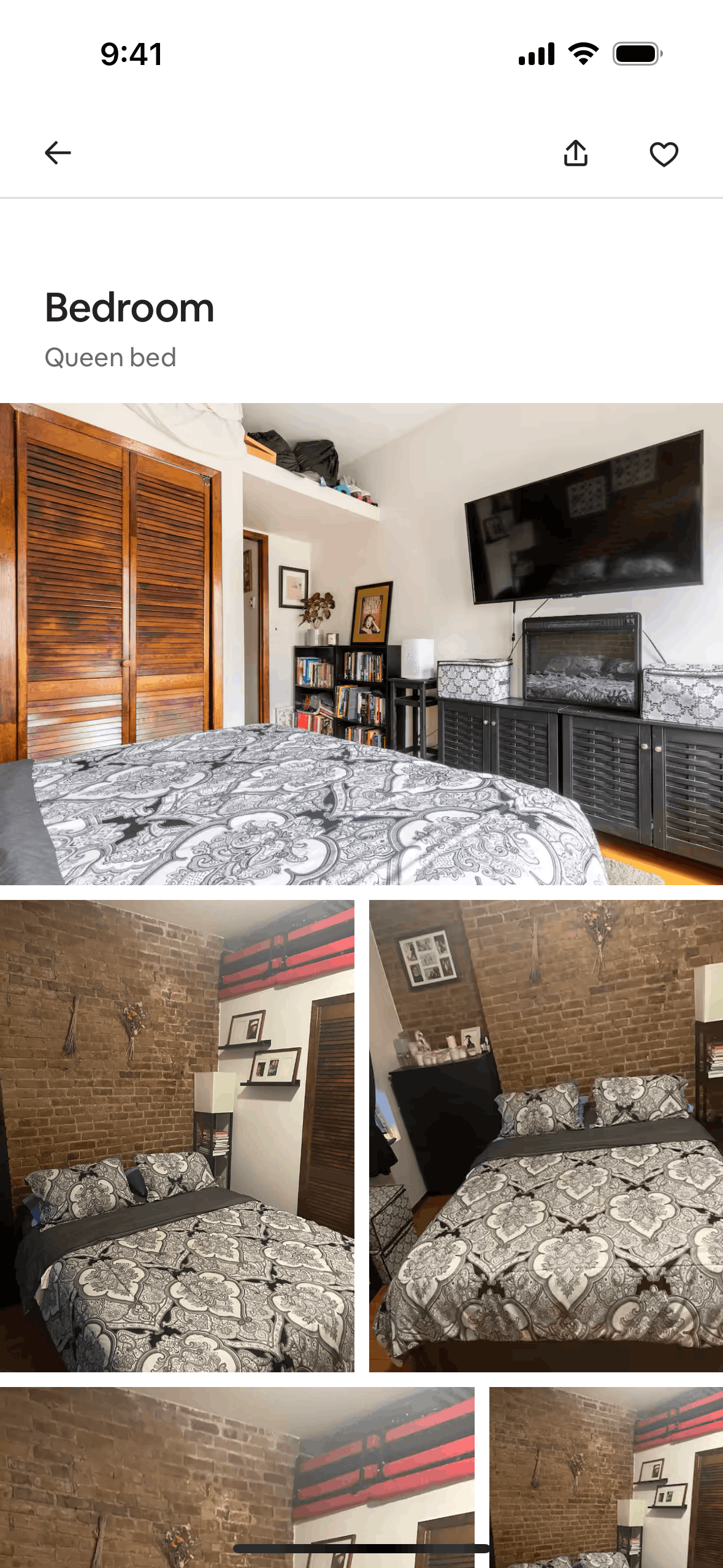

Airbnb iOS Real Estate interface screenshot 10
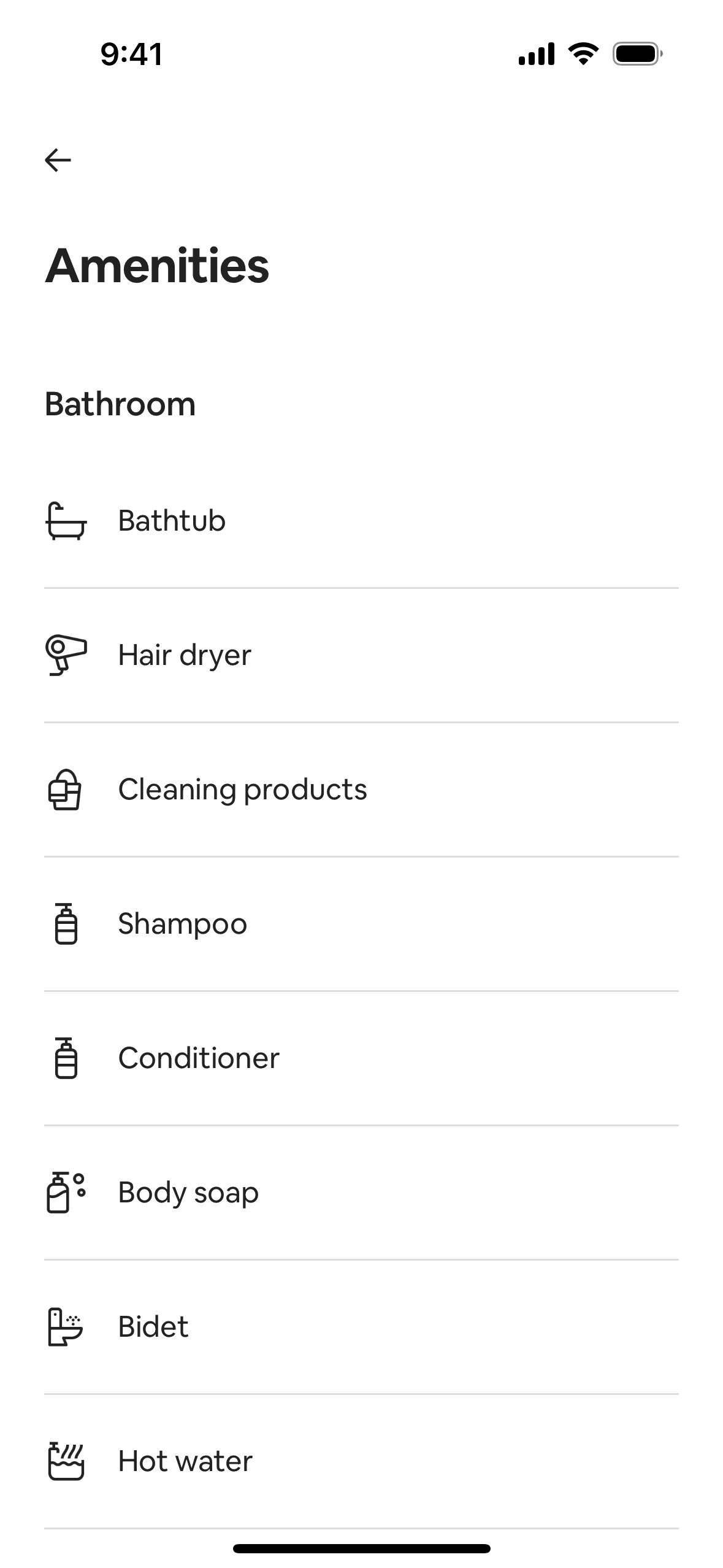

Airbnb iOS Real Estate interface screenshot 11
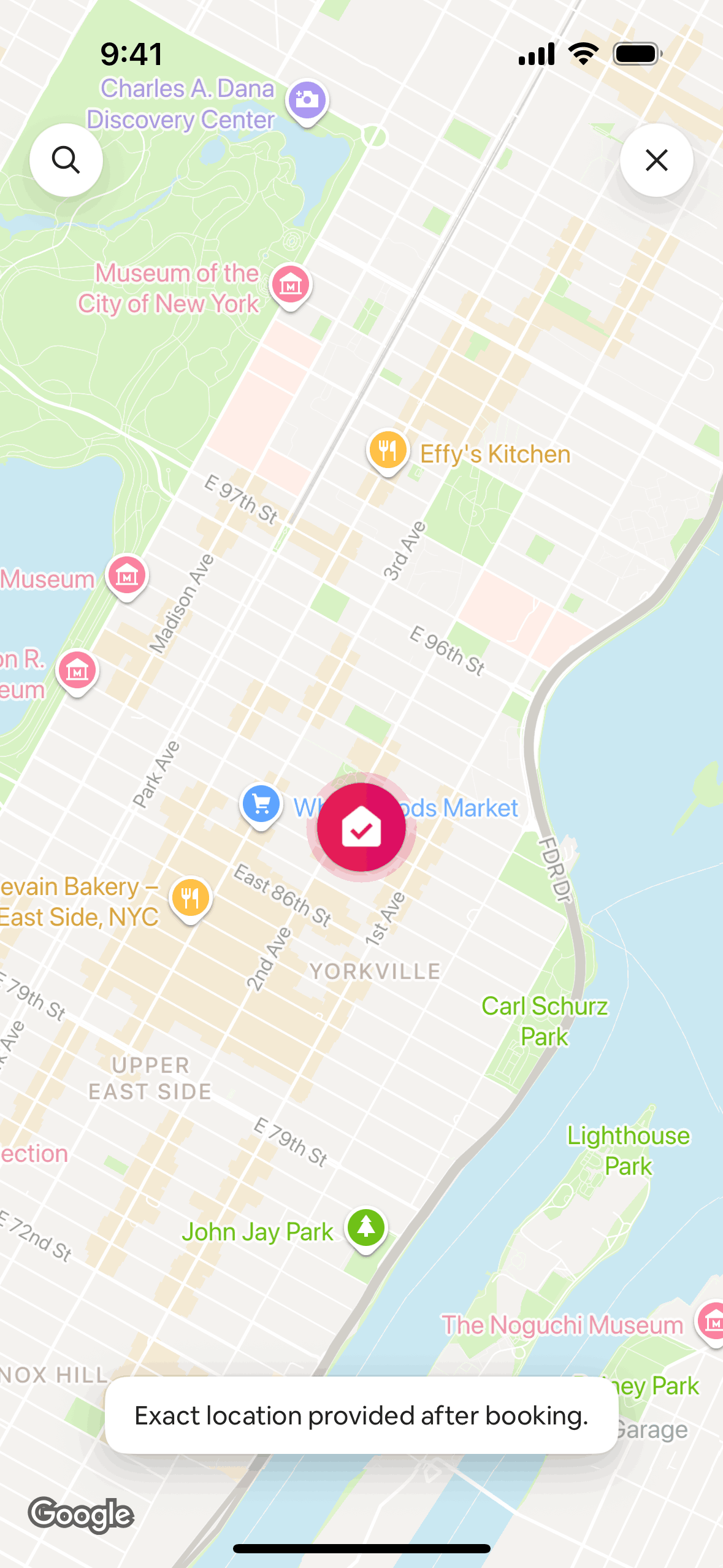

Airbnb iOS Real Estate interface screenshot 12
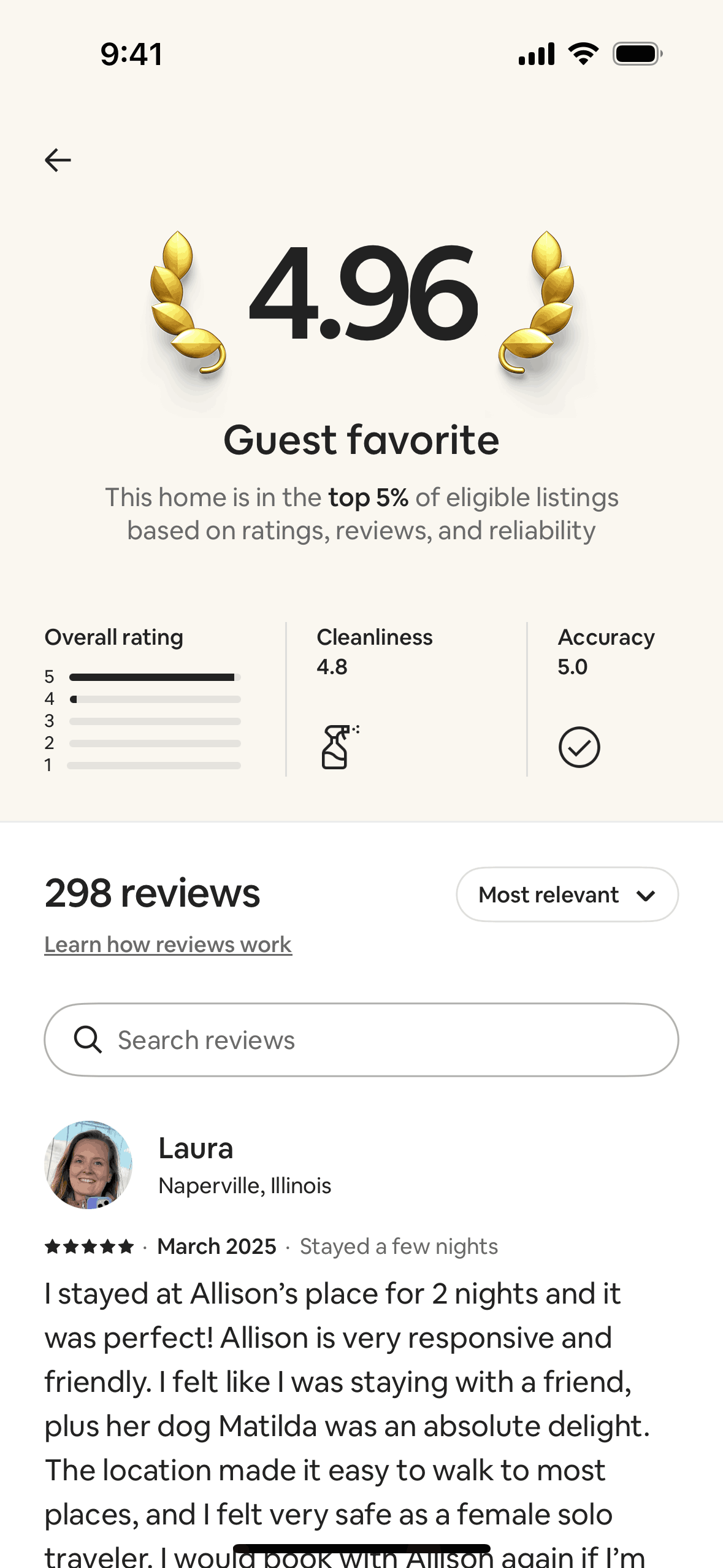

Airbnb iOS Real Estate interface screenshot 13
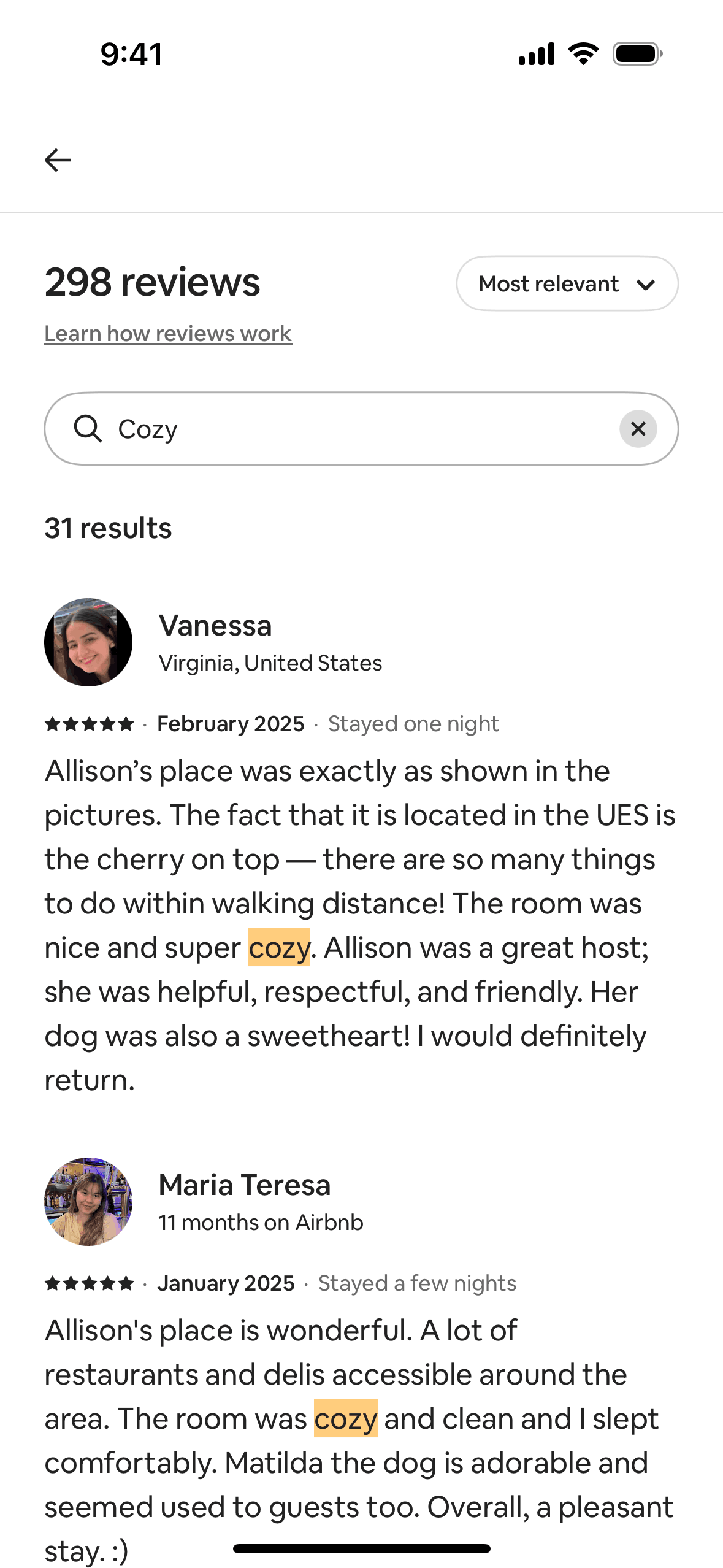

Airbnb iOS Real Estate interface screenshot 14
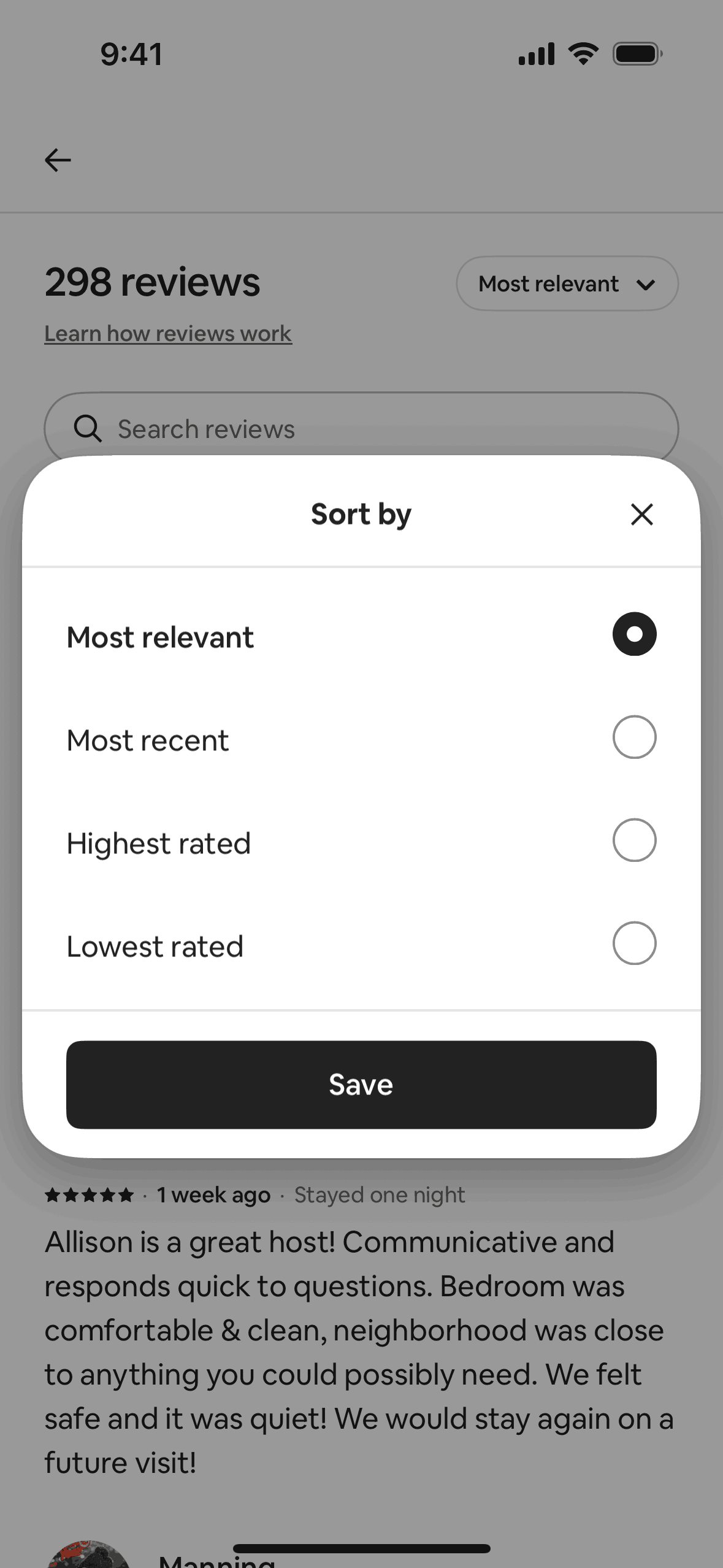

Airbnb iOS Real Estate interface screenshot 15
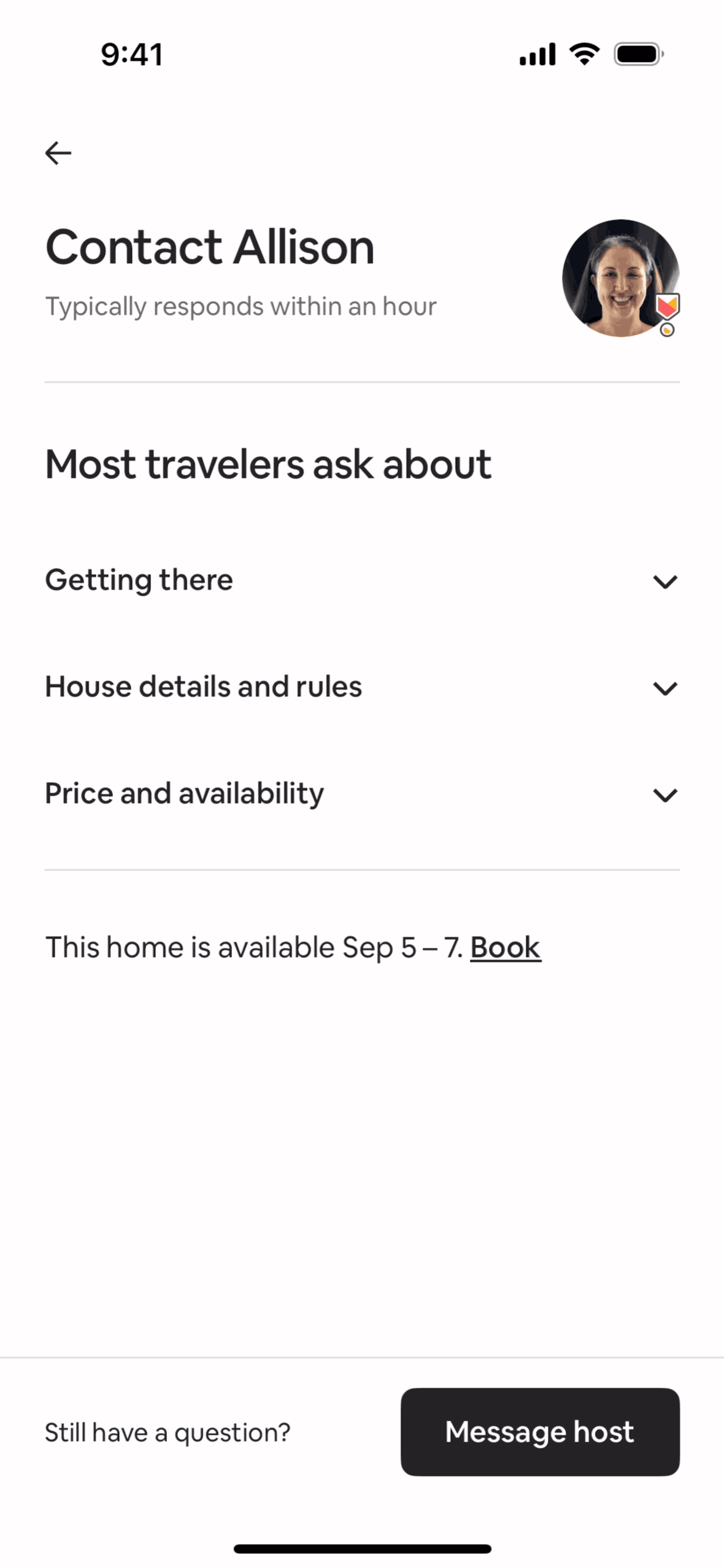

Airbnb iOS Real Estate interface screenshot 16
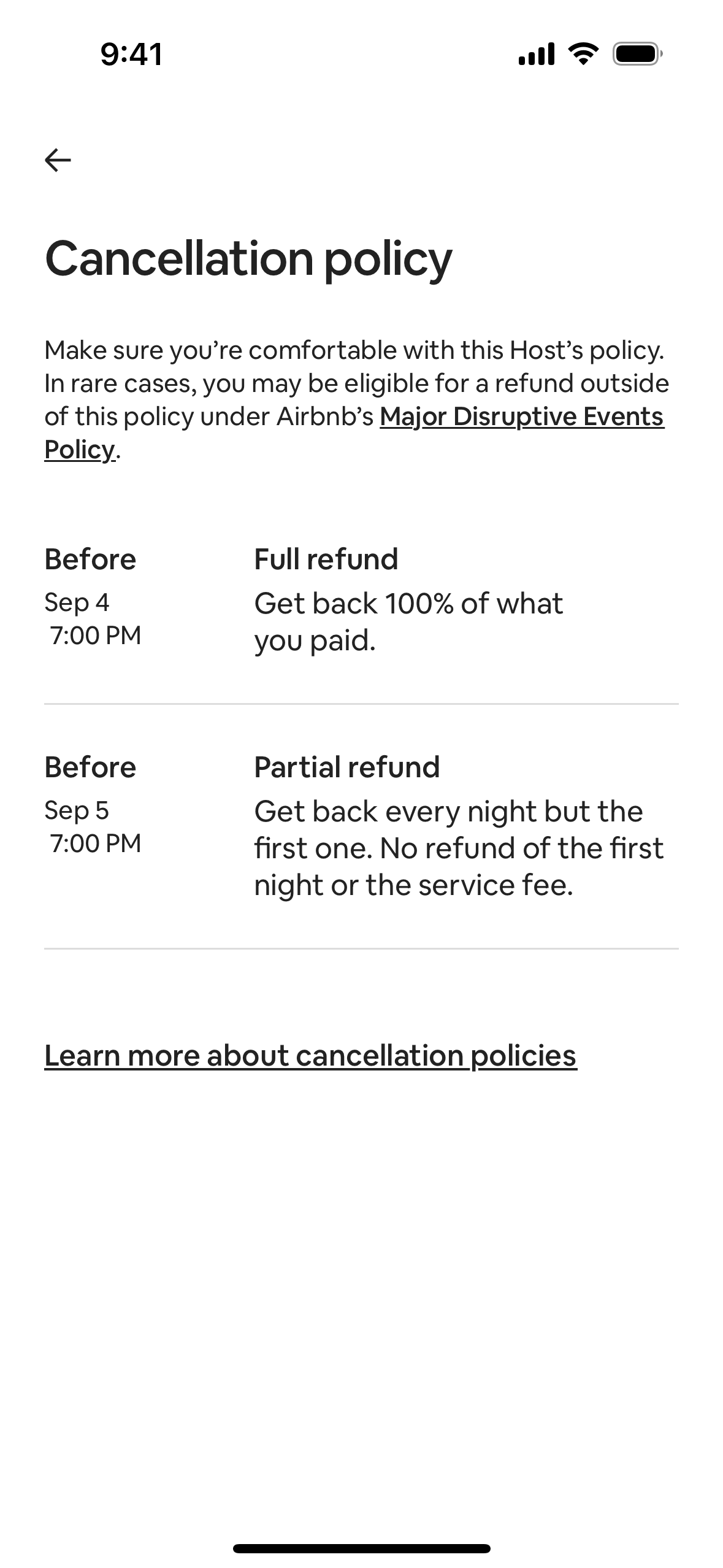

Airbnb iOS Real Estate interface screenshot 17
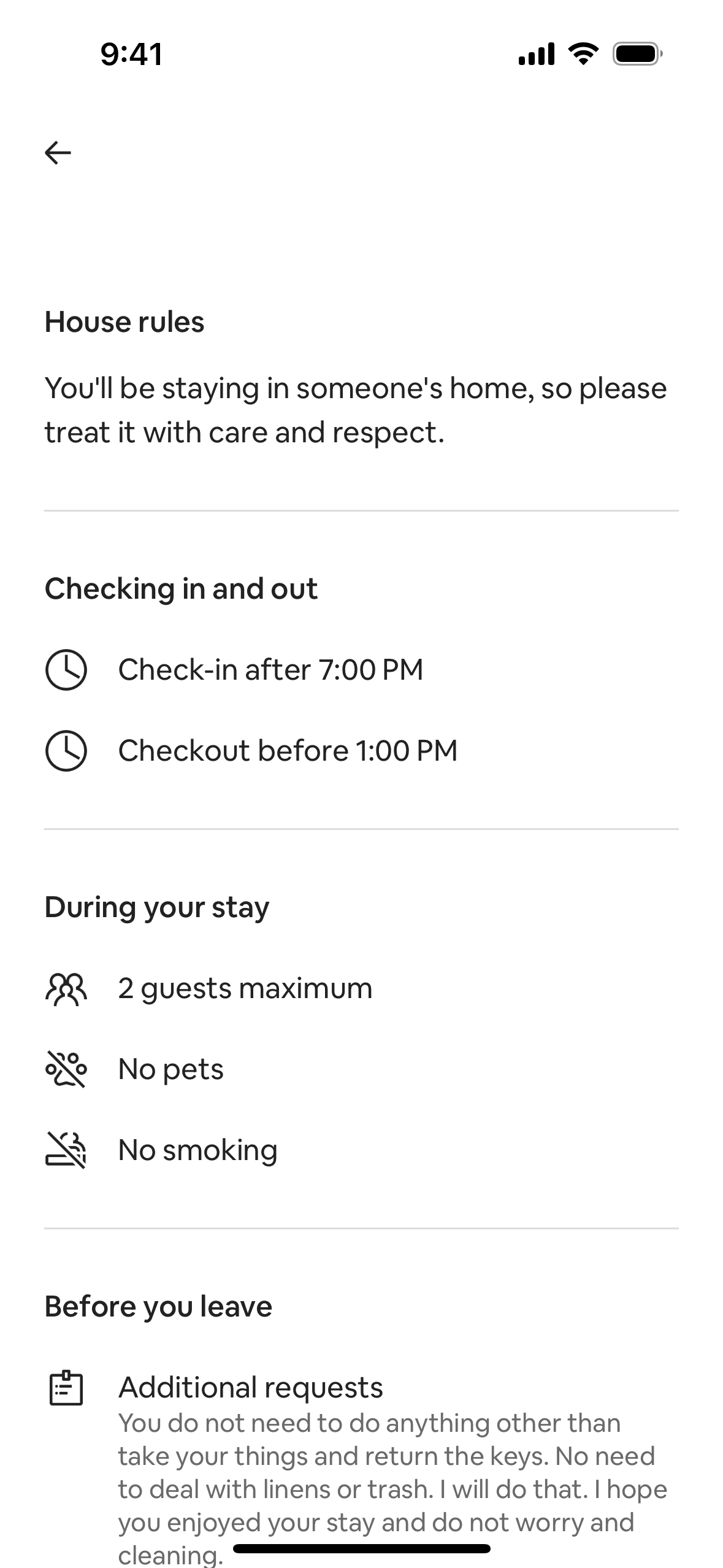

Airbnb iOS Real Estate interface screenshot 18
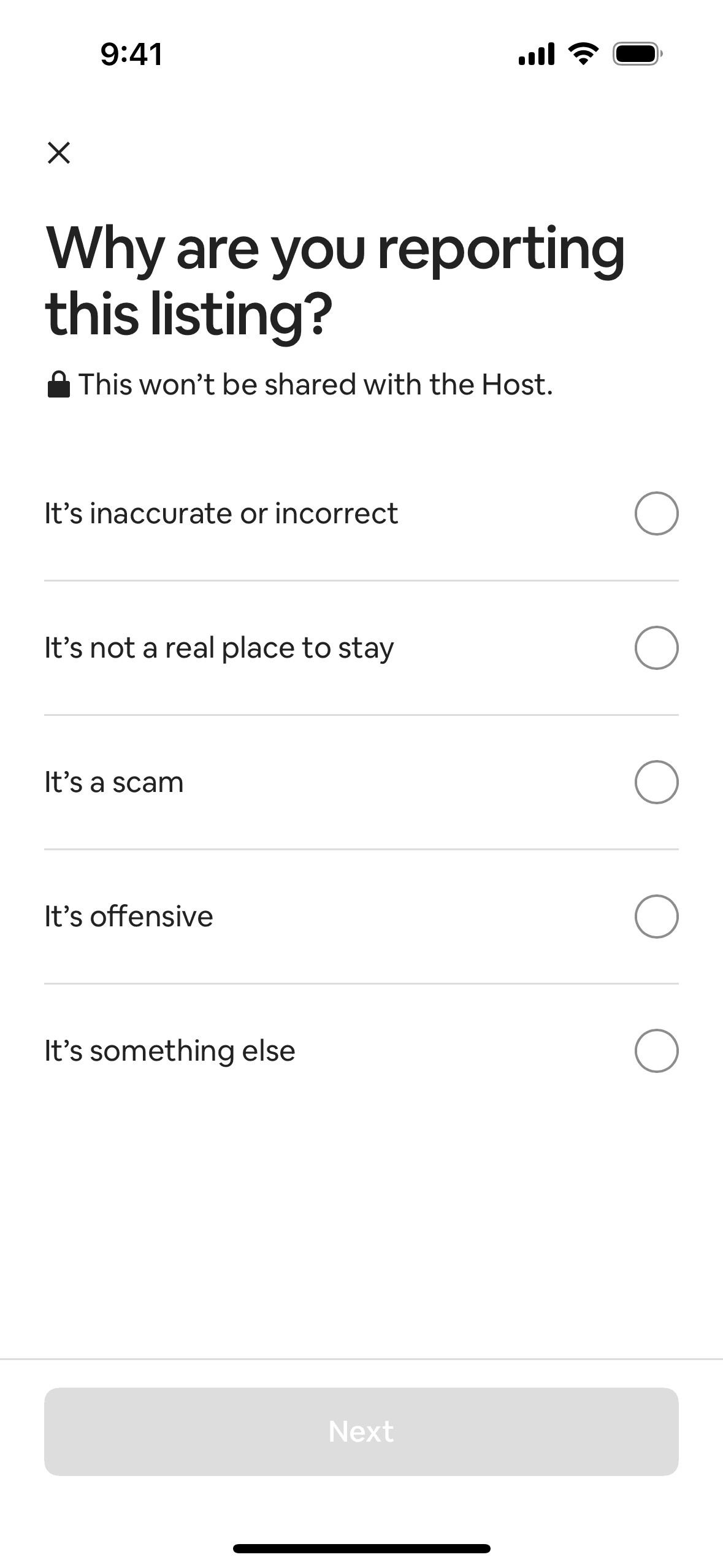

Airbnb iOS Real Estate interface screenshot 19
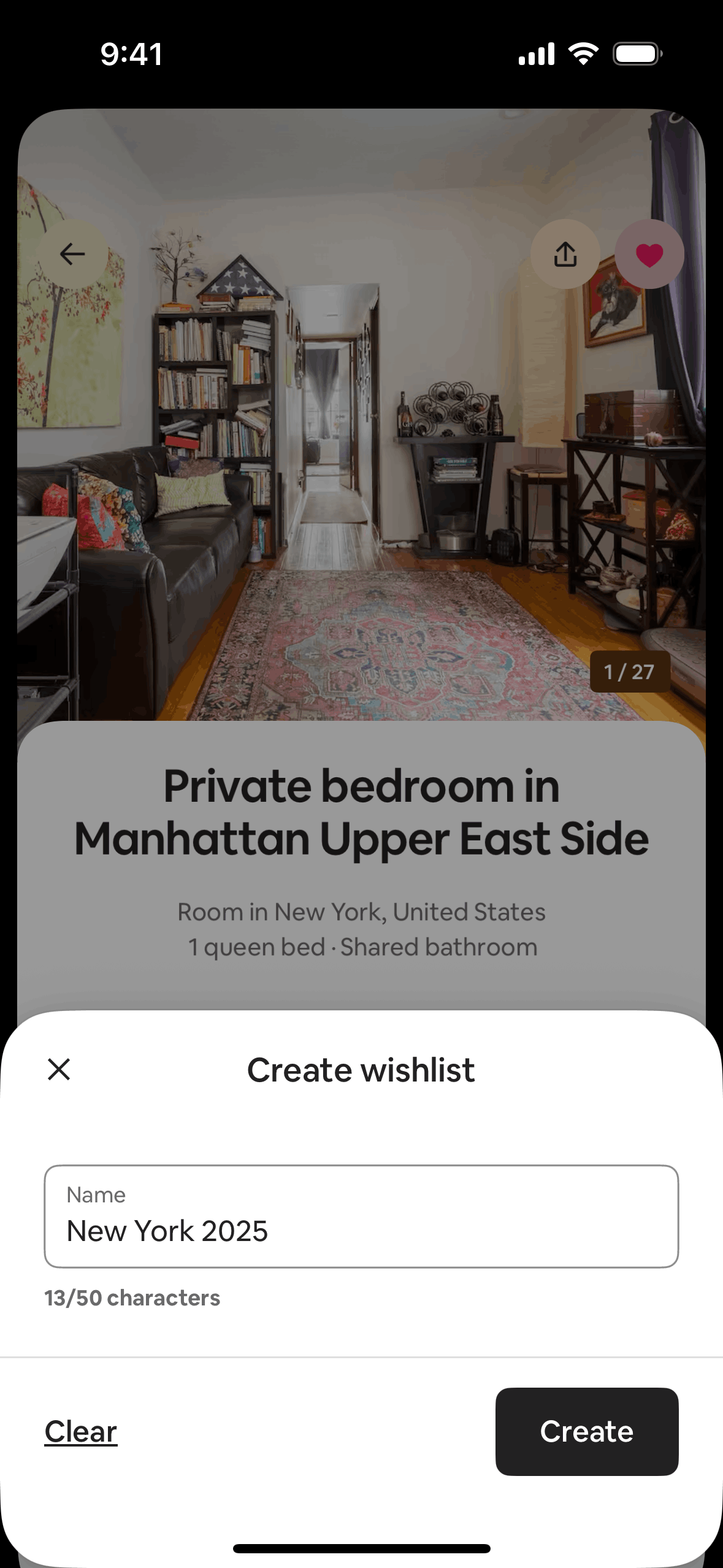

Airbnb iOS Real Estate interface screenshot 20
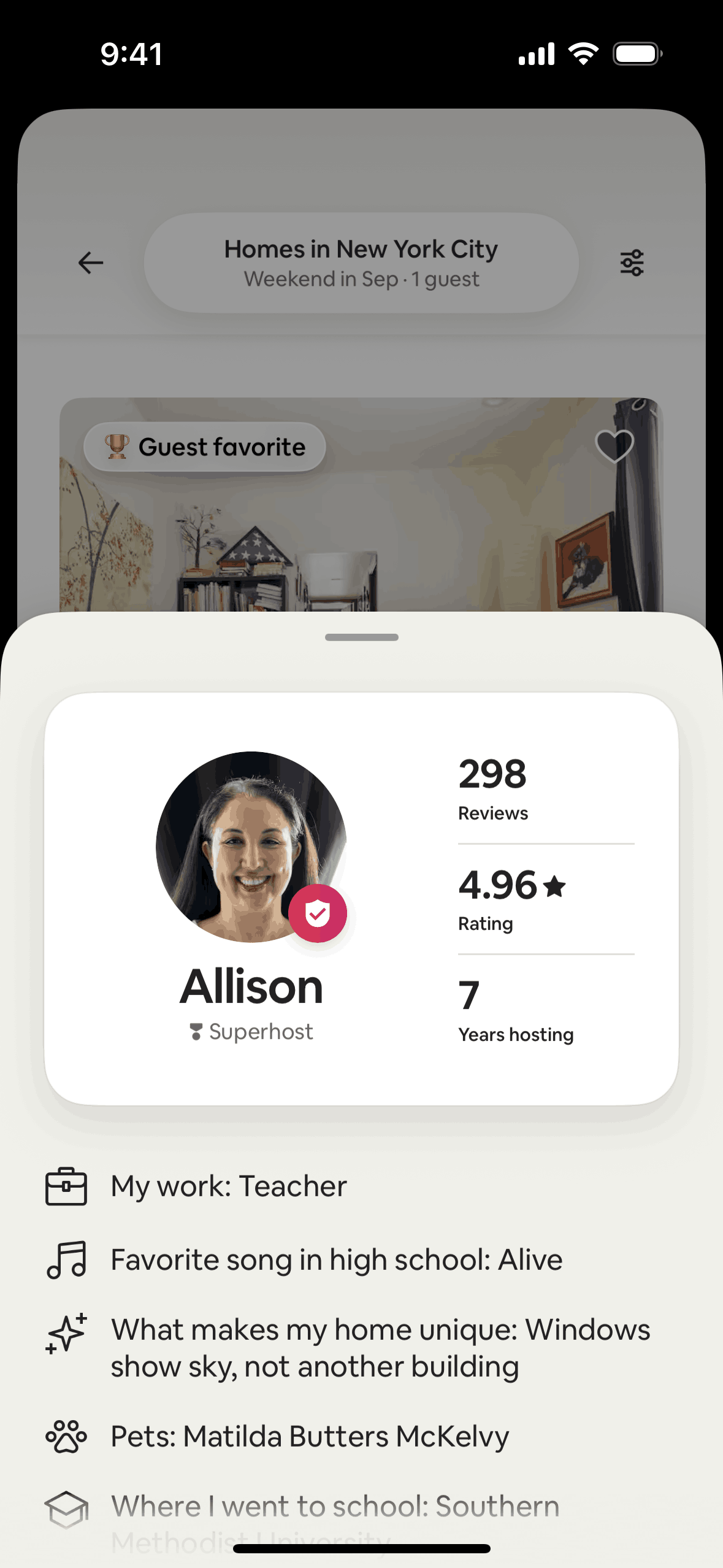

Airbnb iOS Real Estate interface screenshot 21
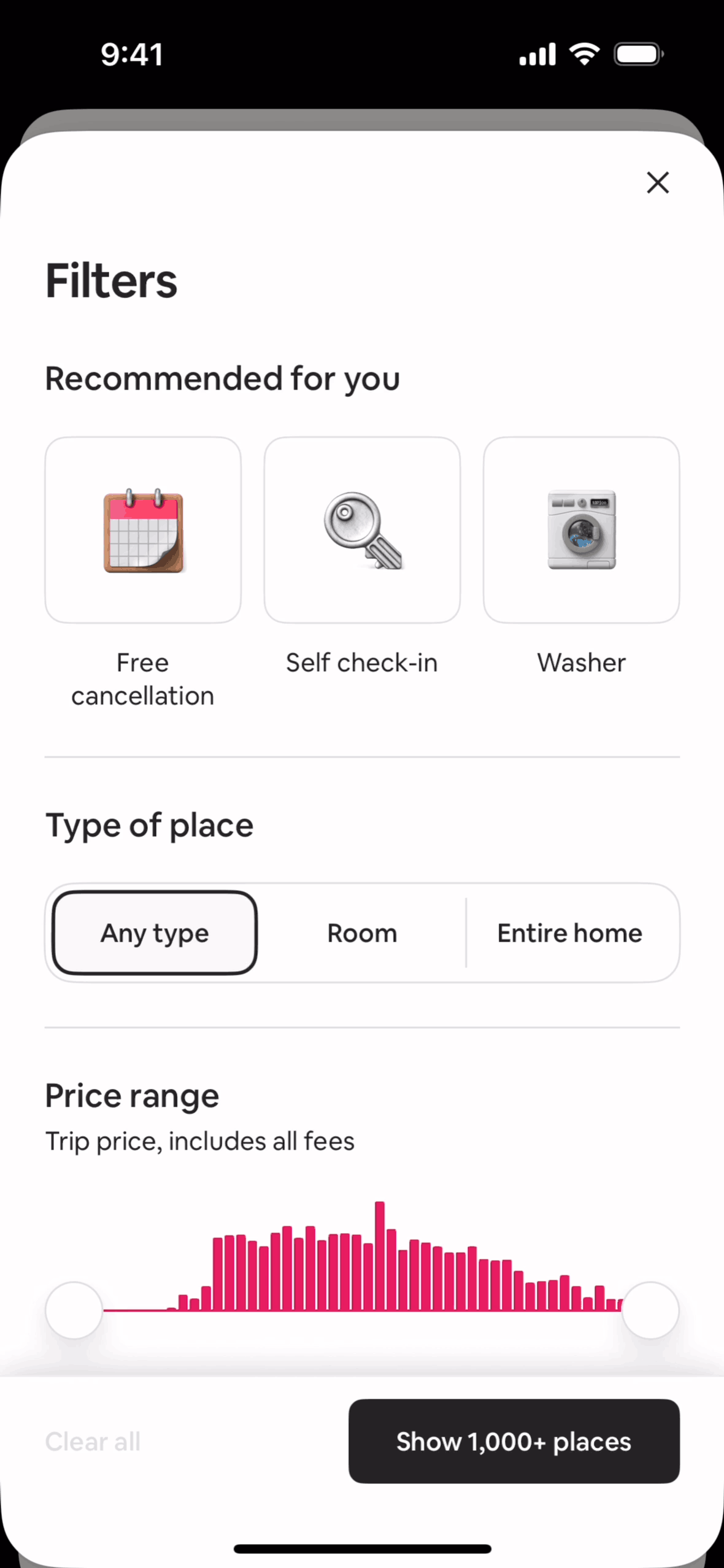

Airbnb iOS Real Estate interface screenshot 22
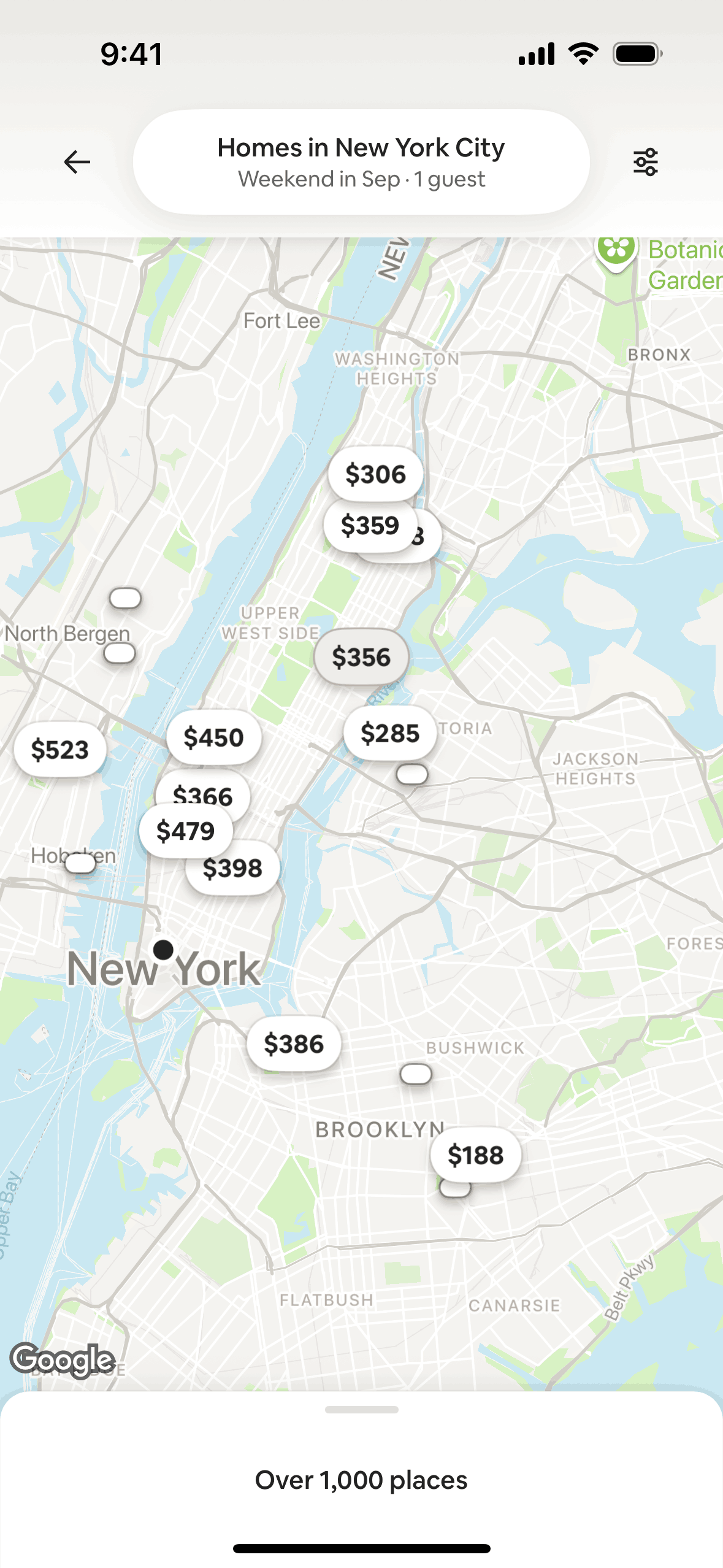

Airbnb iOS Real Estate interface screenshot 23
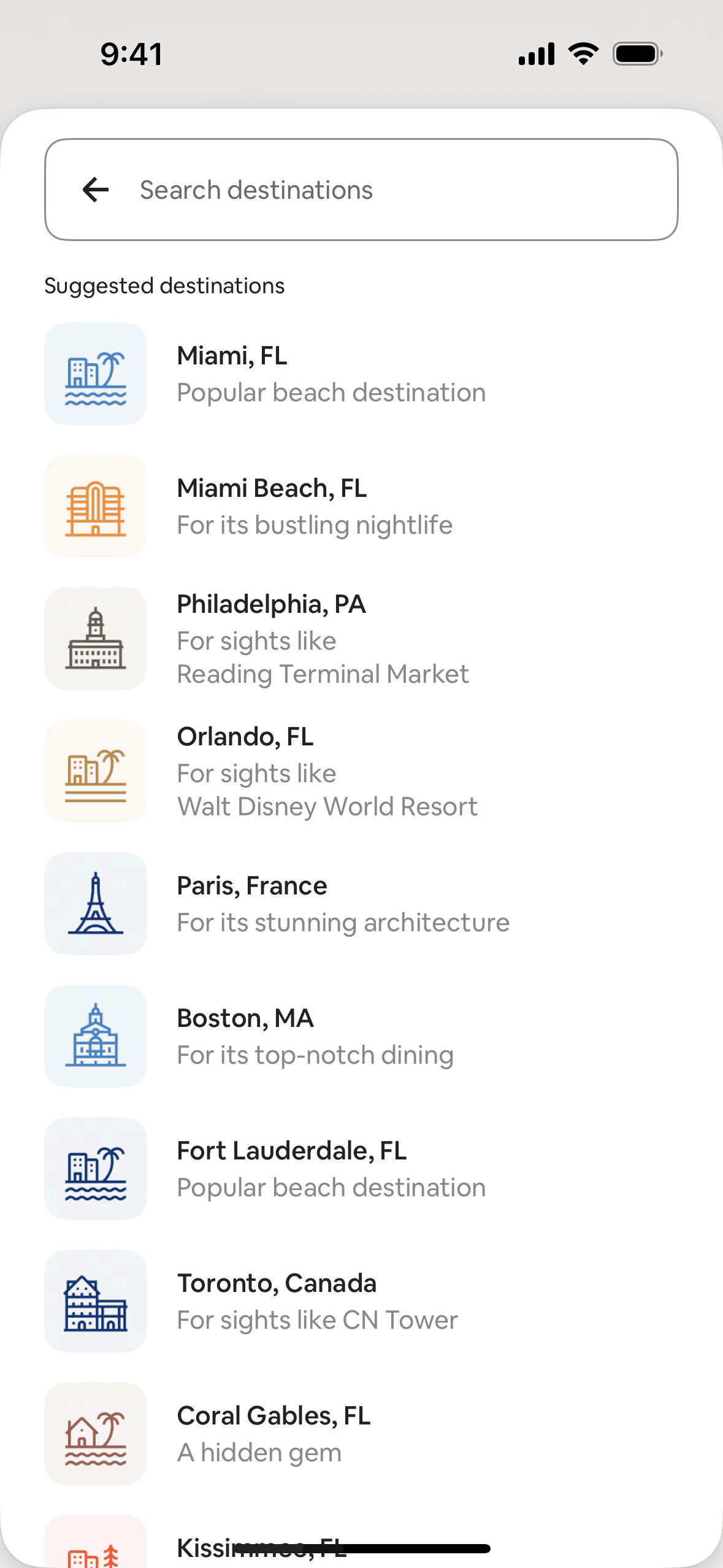

Airbnb iOS Real Estate interface screenshot 24
Browse 375+ Airbnb iOS screenshots on Gummble. Homes, experiences, services. Categorized under Real Estate, Travel & Transportation. Study Airbnb's onboarding flow, login screens, checkout process, navigation patterns, and more to inspire your next design project.
Gummble has 375+ Airbnb iOS UI screenshots available for design inspiration. Browse the full collection to study Airbnb's interface patterns, user flows, and design decisions.
In-depth UX teardown and design patterns
Airbnb is a global marketplace connecting travelers with unique accommodations and experiences hosted by local individuals. The iOS app lets users search homes, apartments, and unusual stays — from treehouses and castles to tiny homes and houseboats — communicate directly with hosts, book instantly or request to book, and manage every aspect of their trips. Beyond lodging, Airbnb Experiences offers local activities led by passionate hosts, from cooking classes to neighborhood walking tours. The platform fundamentally transformed how people travel, shifting the industry from standardized hotels to personalized home stays and creating an entirely new category of hospitality that didn't exist before 2008.
Airbnb excels at turning browsing into dreaming. The moment you open the app, full-bleed photography pulls you into imagining yourself in Tuscan villas or beachfront bungalows. The Category system is particularly brilliant — instead of forcing users to pick a destination first, it invites exploration through lifestyle categories like "Amazing Views," "Countryside," "Beach," and "Iconic Cities." This discovery-first approach acknowledges that many travelers start with a feeling they want to have, not a specific place they need to be. The app transforms accommodation search from a utility task into an aspirational experience, making the act of planning itself enjoyable rather than purely functional.
Try free for 7 days. Then $9/month.
Airbnb is categorized under Real Estate, Travel & Transportation. You can study its onboarding flow, login screens, navigation patterns, and other UI elements on Gummble.
Yes, Gummble Pro users can download Airbnb iOS screenshots for design reference. Free users can browse all screenshots and view detailed design analysis.
Airbnb captures value from both sides of every transaction. Guests pay a service fee (typically around 14% of the booking subtotal), while hosts pay a smaller fee (approximately 3%). This dual-fee structure ensures Airbnb benefits regardless of which side of the marketplace grows faster. Instant Book listings — where guests can reserve without host approval — convert at significantly higher rates, so Airbnb actively promotes these listings through better search placement. This creates alignment between platform goals and user convenience. Beyond accommodations, Airbnb Experiences adds incremental revenue without requiring physical inventory. The model scales beautifully with travel volume; economic recovery directly increases Airbnb's revenue without proportional cost increases, creating natural operating leverage.
Airbnb serves travelers who want alternatives to cookie-cutter hotel rooms. The core user values unique character, local neighborhoods, and practical home amenities — kitchens for families, laundry for longer stays, living rooms for groups. Demographics span budget-conscious travelers choosing Airbnb for value, families needing multiple bedrooms, digital nomads seeking monthly stays, and luxury seekers booking entire villas or designer apartments. Business travelers increasingly use Airbnb for extended work trips where hotel rooms feel constraining. The unifying thread is travelers who want to "live like a local" rather than experience a destination as tourists — people who see their accommodation as part of the trip experience, not just a place to sleep.
Airbnb's search experience, while visually stunning, sometimes struggles with precision. Power users often wish for more granular filters (neighborhood selection, specific amenity requirements, host response rates). The reliance on photography means some legitimate listings with poor photos get buried, creating a disadvantage for newer or less sophisticated hosts. The trust system, while effective, takes time to build — new hosts face a cold-start problem where lack of reviews hurts visibility. There's opportunity in better surfacing unique properties that don't fit standard categories, and in helping users discover experiences tied to their accommodation choices.
Airbnb proves that for emotional, high-consideration purchases, imagery sells harder than feature lists. The category browse demonstrates that helping undecided users discover options can be more valuable than optimizing purely for specific search intent. For two-sided marketplaces, the mutual review system shows that accountability on both sides creates better behavior than one-sided ratings typical of e-commerce. The wishlist collaboration feature acknowledges that travel decisions are often group decisions — designing for shared planning increases conversion by removing the friction of group coordination. Perhaps most importantly, Airbnb shows that transforming a utility (finding a place to stay) into an aspirational experience (imagining your future self in beautiful spaces) can create category-defining products that competitors struggle to match.